Commercial
HOA & Commercial Lawn Maintenance in the Indy Suburbs: What to Expect
By Speedway Lawn Maintenance, LLC 5 min read
The short answer
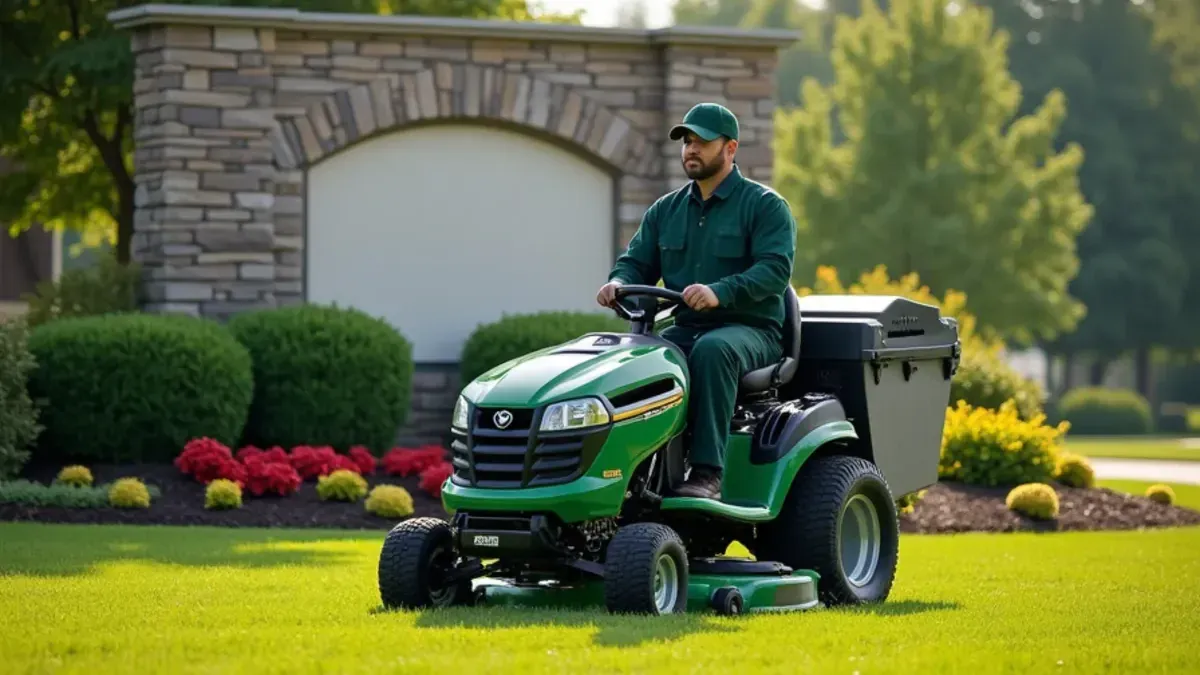
Commercial lawn maintenance in Indianapolis typically covers weekly mowing from April through October, trimming and edging, bed care, turf treatments and seasonal cleanups under a written scope. Expect service logs for every visit, a current certificate of insurance, a plan for retention pond banks, and optional snow and ice removal priced per push, per event or seasonally.
Commercial lawn maintenance in Indianapolis and its suburbs is less about the mowing itself and more about the paperwork and communication around it. HOA boards and property managers rarely complain that grass got cut badly. They complain that nobody could tell them when it was cut, what was skipped, or why the pond bank looks like a hayfield.
This guide walks through what a well-run commercial or HOA account looks like from the client’s side: the scope document, service records, insurance, the tricky areas like retention ponds, winter add-ons and how to compare bids without getting burned.
Start With a Written Scope Document
A scope of work is the single most useful document an HOA can own. It lets every bidder price the same job and gives the board something objective to measure performance against. If your association doesn’t have one, write it before the next bid season.
| Scope item | What to spell out |
|---|---|
| Mowing | Frequency (weekly April–October is typical), cutting height, clipping handling, wet-weather policy |
| Trimming & edging | Which hard edges are edged each visit vs. monthly; fence lines, signs, utility boxes |
| Beds & shrubs | Weeding frequency, mulch depth and timing, shrub pruning cycles |
| Turf treatments | Number of fertilizer and weed control rounds, grub control, aeration |
| Seasonal work | Spring cleanup, leaf removal passes, fall cutback |
| Exclusions | Tree work above a set height, irrigation repair, storm debris over a set volume |
Service Logs, Insurance and the Accountability Paper Trail
Service logs
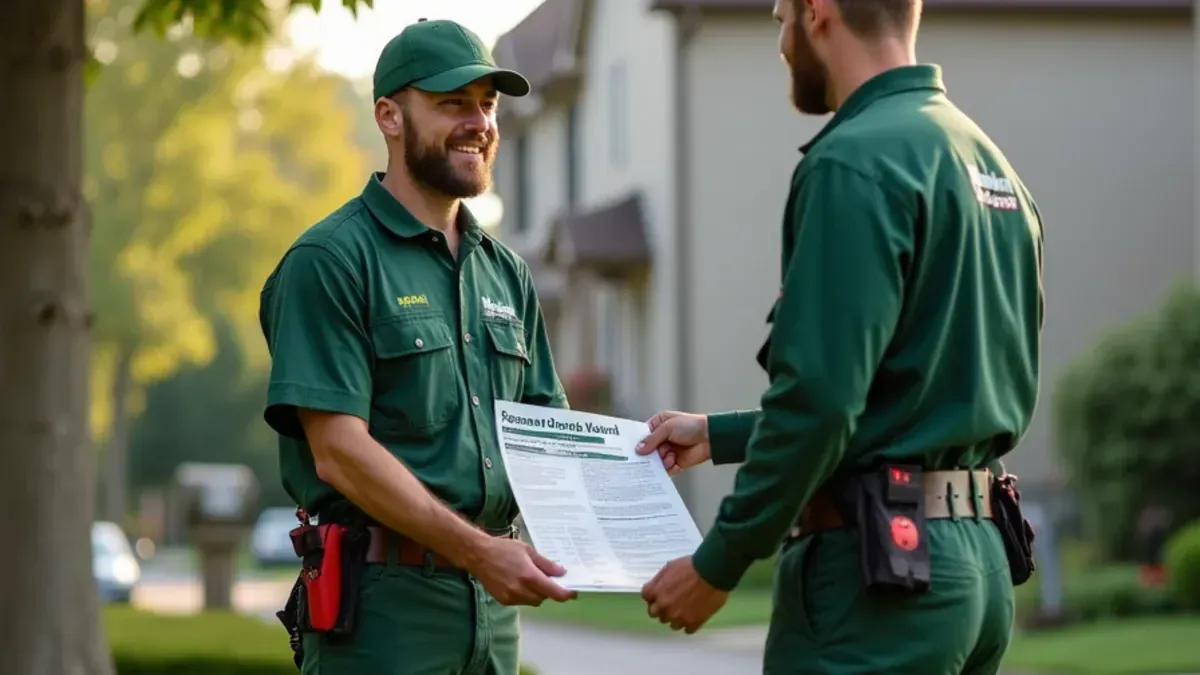
Ask for a simple record of every visit: date, services performed, zones completed, anything skipped and why. Rain delays, a locked gate or a pond area too wet to mow should appear in the log, not in a surprised email from a resident. Photos of entrances and problem areas are an easy addition.
Certificate of insurance
- Request a current certificate of insurance (COI) before work begins, sent directly from the agent.
- Confirm general liability and commercial auto coverage, plus workers’ compensation where the contractor has employees who require it.
- Ask to be named as an additional insured if your governing documents or management company require it.
- Put the renewal date on the calendar. A COI that lapses mid-season is common and easy to miss.
For chemical applications, the contract should state that products are applied according to the label and Indiana State Chemist (OISC) rules, and who notifies residents before treatments.
Retention Ponds, Slopes and Other Problem Areas
Newer subdivisions around the Indy suburbs almost all have detention or retention ponds, and their banks cause more friction than any other part of the property. They need their own line in the scope.
- Mow direction and equipment: steep banks should be mowed across the slope with the right machine, or string-trimmed, never with a rider pointed downhill toward water.
- Clippings stay out of the water. Grass blown into a pond adds nutrients that feed algae blooms later in summer.
- Consider a no-mow buffer. A strip of taller grass or native plants at the waterline filters runoff, holds the bank and discourages Canada geese from walking up into lawns.
- Herbicides near water must be labelled for that use. Many common lawn weed products are not.
Associations in growing towns like Plainfield and Greenwood often inherit ponds from the developer with no maintenance plan at all. Writing one into the landscape contract — how often banks are cut, how wide the buffer is — heads off complaints from lakefront homeowners.
Winter Add-Ons: Snow and Ice
Many boards prefer one contractor year-round. If you add winter work to a commercial lawn care agreement, define it with the same precision as mowing.
- Trigger depth for plowing streets or lots, and whether walks are cleared at a lower depth.
- Priority order: entrances, mailbox clusters, clubhouse lot, then interior streets.
- Ice melt type and where it’s used, especially near new concrete and turf edges.
- Pricing model: per push, per event or seasonal flat rate.
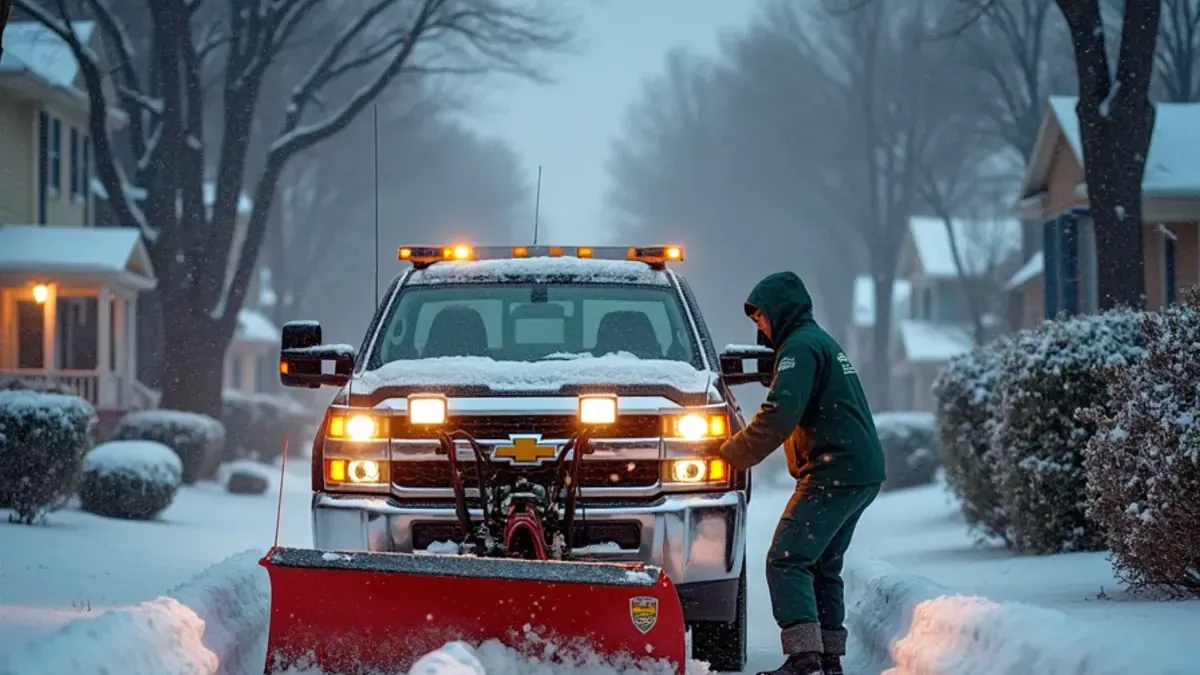
Our snow and ice removal service page covers those options in more detail, including staking curbs and islands before the ground freezes.
Bidding Tips for Boards and Property Managers
- Send every bidder the same scope, site map and contract term.
- Walk the property with each serious bidder. Contractors who skip the walk are guessing.
- Require itemized pricing so mowing, treatments, beds and seasonal work can be compared line by line.
- Ask who will actually be on site each week and who answers the phone when something goes wrong.
- Check references from properties of a similar size, and drive past one of them.
- Be cautious with any bid far below the rest. It usually means fewer visits or skipped trimming.
Size matters too. A large regional firm suits a big multi-site portfolio. A smaller owner-operated crew like ours tends to fit HOA common areas and small commercial sites where the board wants to reach the owner directly. We serve HOAs and businesses in Plainfield and commercial properties in Greenwood, and bed upkeep can be bundled through our landscaping bed maintenance service.
From our crew's experience
What Keeps a Commercial Account Running Smoothly
On HOA common areas, most of what we get called about is a communication problem, not a turf problem. A resident sees an uncut pond bank on Tuesday and emails the board, when that bank was moved to Thursday because it was too wet to hold a mower. We text the property contact when weather shifts a zone and note the reason in the log. That one habit heads off more complaints than any change in cutting height.
Tradeoffs we raise with boards before anything is signed:
- Weekly versus every other week. Biweekly saves money in July, but May growth on cool-season turf turns a two-week cut into clumped clippings along the entrance walks.
- Where treatments pay off. Full rounds everywhere add up fast. We usually suggest full programs at entrances and high-visibility frontage, with weed control only on back common ground.
- One voice for requests. A single board or manager contact beats dozens of homeowners texting the crew directly.
Our 48-hour fix-it guarantee applies to commercial work too: flag a missed edge or clippings on a walk within two days and we come back at no charge. A tiny association with willing volunteers can self-manage. Once there are ponds, several zones or winter work, a written contract and one accountable crew save the board real time.
FAQ
Common Questions
How long should an HOA lawn maintenance contract run?
One- to three-year terms are common. A one-year term with a renewal option lets the board evaluate performance through a full season, including fall cleanup. Multi-year agreements can lock in pricing but should still include a termination clause with reasonable notice, often 30 days, if the scope isn’t being met.
What should a commercial lawn care service log include?
At minimum: the visit date, the zones or areas completed, services performed, and a note on anything skipped with the reason, such as rain or a locked gate. Treatment visits should list the product type applied. Photos of entrances and problem areas make the log far more useful to the board.
Who is responsible for retention pond maintenance in an Indiana HOA?
That depends on the plat, covenants and any drainage agreements with the county, so check your governing documents. In most cases the association maintains the banks and surrounding common area. Structural items like inlets and outlets may carry separate obligations. Your landscape contract should cover only the mowing and vegetation portion.
How often should HOA common areas be mowed in central Indiana?
Weekly from about mid-April through October is the norm for entrances, clubhouse grounds and frontage along main roads. Cool-season grass grows fastest in May and again in September. Back common ground and pond buffers can often move to every other week during a hot, dry July, as long as the scope says so in writing.
The Bottom Line
The best commercial and HOA accounts run on clear expectations: a written scope, visible service records, current insurance and a plan for ponds and winter. Get those right and the mowing quality becomes easy to judge.
Speedway Lawn Maintenance works with associations and small commercial properties across the Indianapolis suburbs. Call or text 1-323-606-0255 to schedule a property walk and receive an itemized bid.