How-To 5 min read
Fixing Winter-Kill & Freeze Damage on Your Indiana Lawn
Winter kill lawn repair in Indiana starts with a proper diagnosis. Learn how to tell dormant from dead, what causes freeze damage, and when to reseed or wait for fall.
4.8★ from 38 Google reviews · Serving Speedway & Indianapolis since 2020
Mon–Fri 7:00 AM – 5:00 PM · Text or call 1-323-606-0255
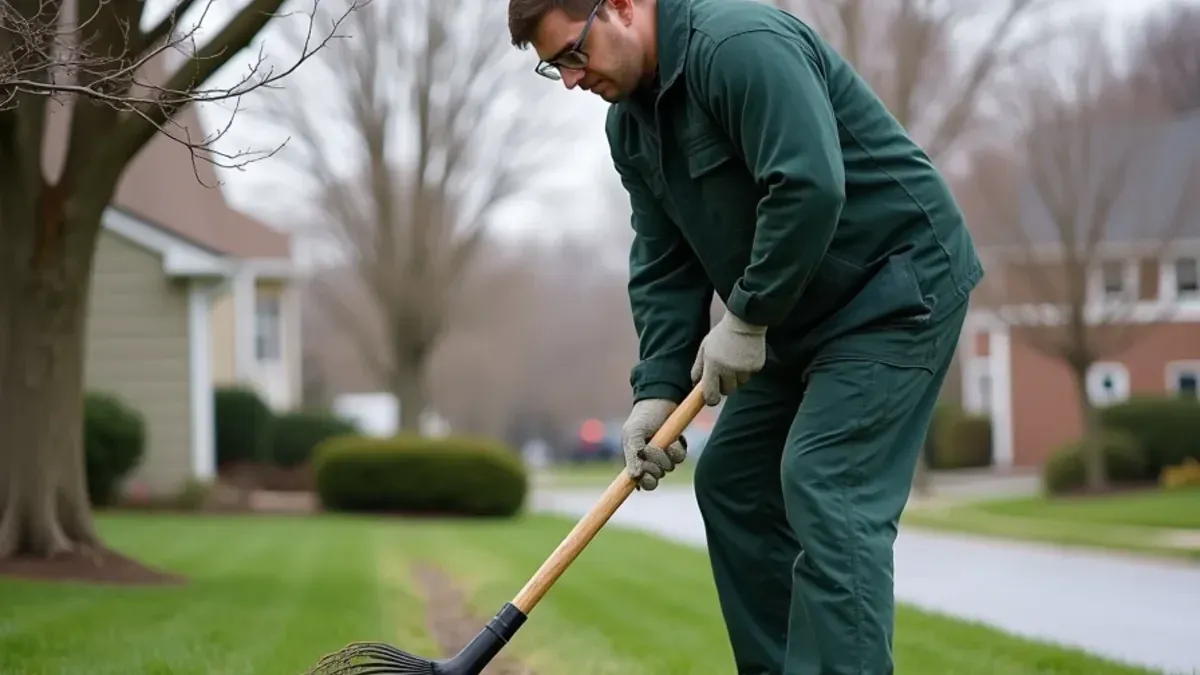
Winter-kill to green again
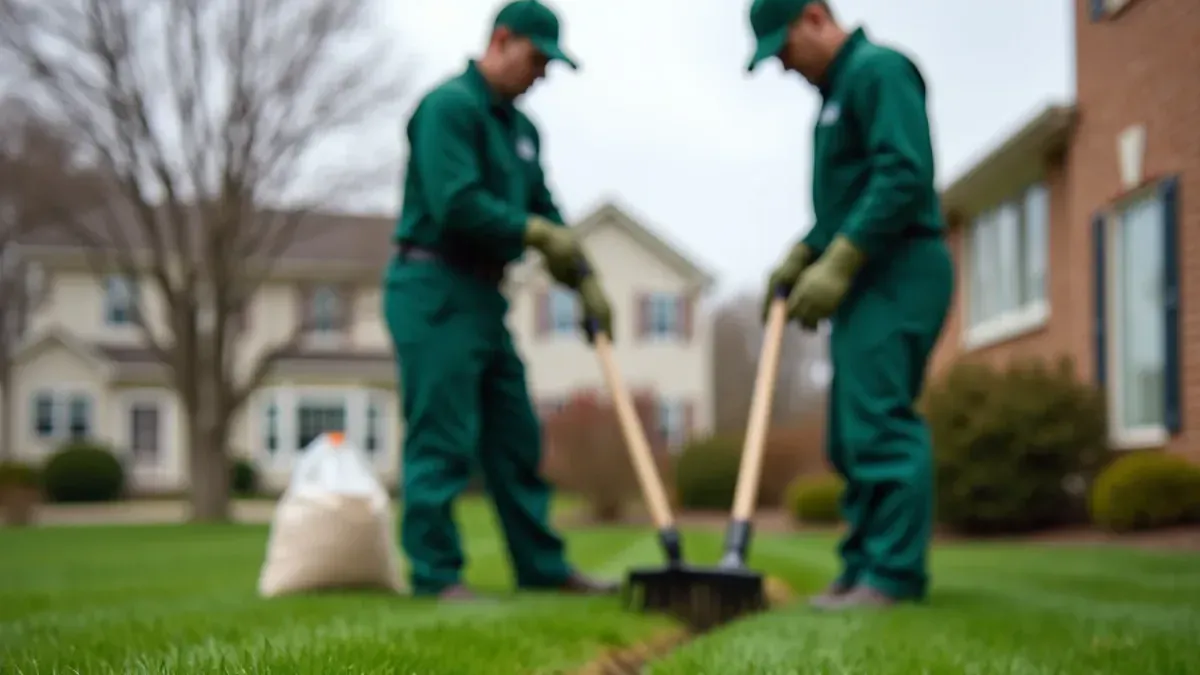
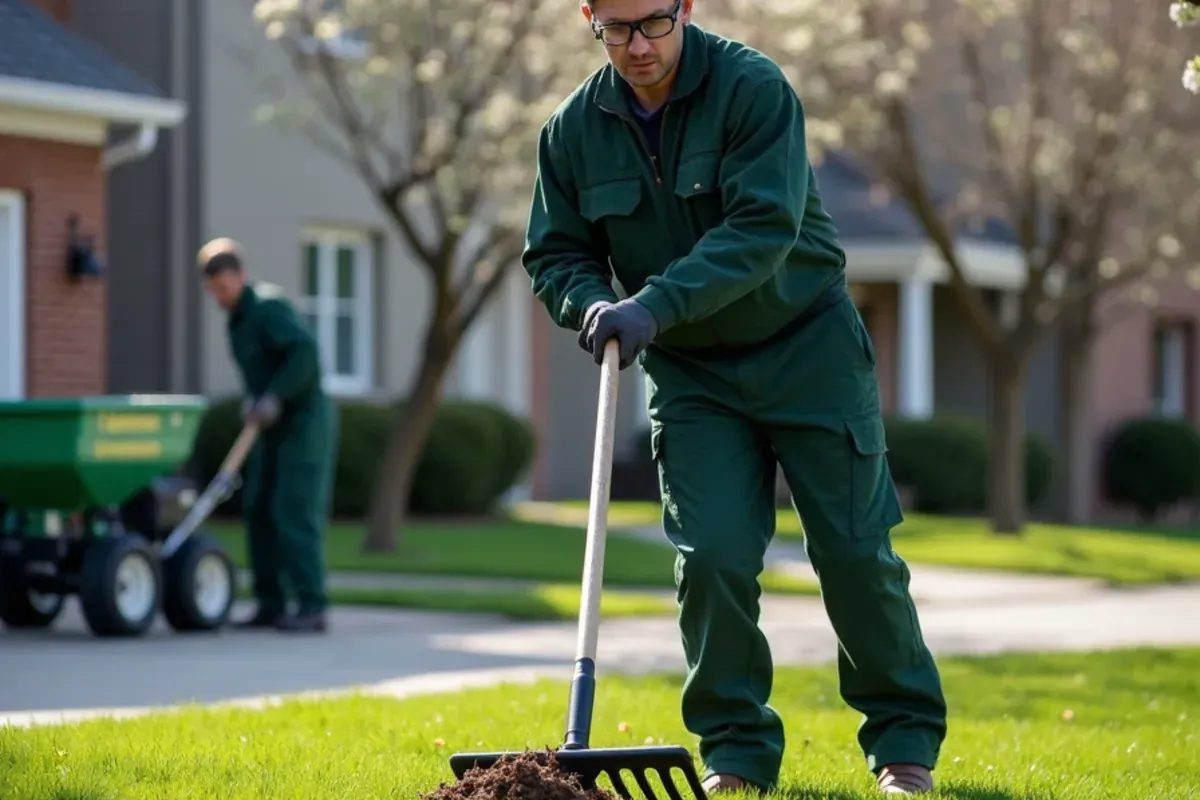
Freeze damage lawn recovery in Speedway, IN from our crew is a spring walk-through that separates slow-to-wake grass from true winter-kill, followed by targeted repair: raking out snow mold, flushing salt strips, leveling plow scars and vole runways, and slit-seeding what died. We time the seeding and your crabgrass prevention so one doesn’t cancel the other.
Freeze damage lawn recovery in Speedway, IN is mostly a spring job, but it starts with understanding what winter actually did. When snow melts off lawns across Indianapolis in March, homeowners find matted gray circles, dead strips along the driveway, and winding tunnels through the turf. Each of those has a different cause and a different fix, and treating them all the same way wastes seed and money.
Our spring recovery service sorts out which grass is simply slow to wake up and which is truly gone, then repairs the damage in an order that respects Indiana’s calendar. The biggest trap we help customers avoid is seeding bare spots and applying crabgrass pre-emergent in the same weeks, which lets one product quietly cancel the other.
We work from Speedway across the west side and into Hendricks County, so the crew sees the same freeze-thaw patterns lawn after lawn and knows which damage fills in on its own by May.
Central Indiana winters are less about deep snow and more about repeated freezing and thawing, ice sheets and road salt. These are the results.
A warm spell lets grass crowns soak up water, then a hard freeze ruptures the cells. Low spots and poorly drained clay are hit hardest.
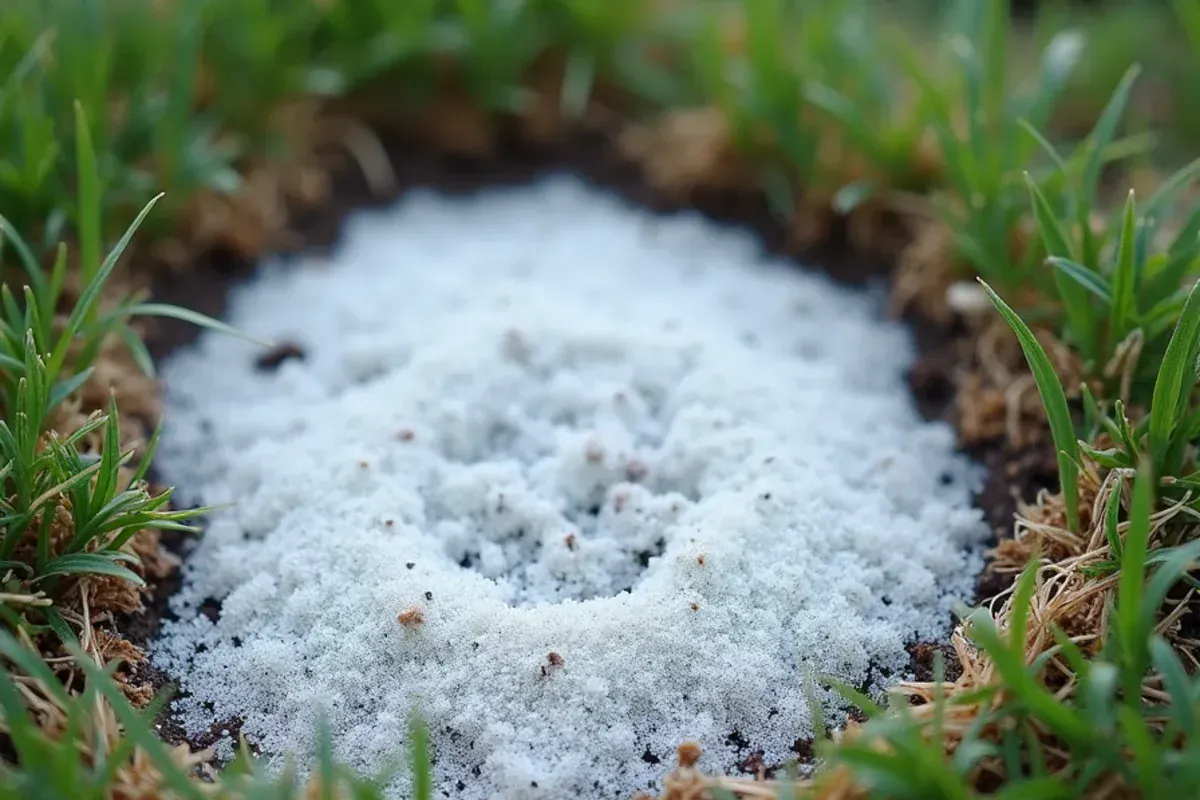
Circular, matted patches with a cobwebby look appear where snow sat longest, often on the north side of houses and against piles.
A dead strip one to three feet wide tracks every edge where ice melt or plow spray landed, and it stays brown well after the rest greens up.
Narrow, snaking trails of clipped, dead grass show where voles tunneled under the snow cover eating crowns and roots.
Blades that catch the lawn edge peel sod back or scrape it to soil, especially where driveways aren’t marked before winter.
Wind-blasted, snow-free areas on hills and open lots can dry out and brown even though the soil below is frozen.
Most winter damage looks worse in March than it really is. The service is built to fix what won’t heal on its own and leave alone what will.
We tug-test brown areas and mark each one by cause: snow mold, salt, voles, ice cover, crown injury or plow scars, so every spot gets the right fix.
Snow-mold circles and leaf-smothered patches are lightly raked open to dry out, which is usually all they need to green up.
Edges along drives and walks get deep soakings to push sodium down, and strips still dead after flushing are loosened and topped with fresh soil.
Sod peeled back by a plow is pressed down or replaced, and vole trails and ruts are filled with screened topsoil so seed sits level.
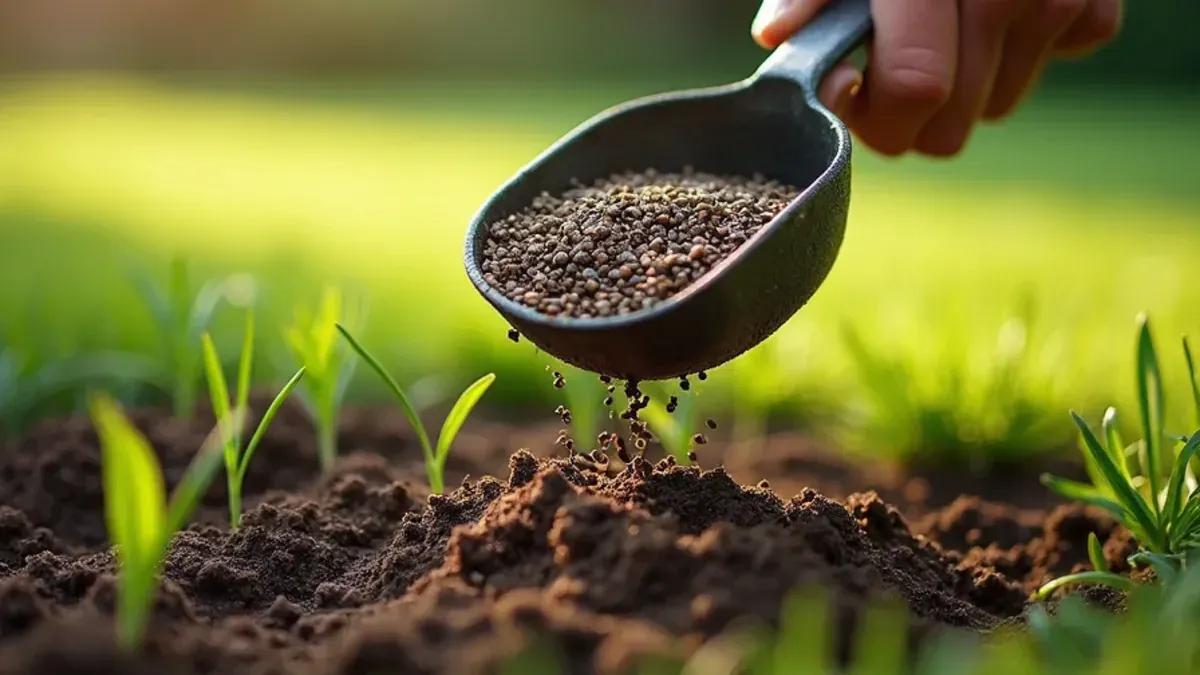
Dead areas are slit-seeded with a blend matched to sun and shade. Where crabgrass is also a threat, we use a seeding-safe pre-emergent such as a mesotrione product, applied by the label.
Starter fertilizer goes down with the seed, mowing height is adjusted around seedlings, and we check the repair a few weeks later. Widespread damage gets a fall renovation plan too.
Recovery follows the soil, not the calendar page. Here’s the order we work in.
Walking or raking soggy clay in early March compacts it and tears out living crowns. We start once the surface has firmed up.
A light rake lifts snow-mold mats and loosens dead blades so air and sunlight reach the crowns. Most snow mold recovers without fungicide once it dries.
We tug-test brown spots, check for vole trails, and mark salt strips and plow scars that will need soil work or seed.
Salt-burned edges get deep watering to leach sodium below the root zone, and badly damaged strips are loosened and topped with fresh soil.
Dead areas are slit-seeded for good seed-to-soil contact. Where crabgrass control is also needed, we match the pre-emergent product to the seeding plan.
Starter fertilizer goes down with new seed, and we recheck germination in a few weeks, adjusting mowing height so seedlings aren’t scalped.
Send a few photos or call 1-323-606-0255 — we'll look at your property and give you a clear, itemized price.
Standard crabgrass pre-emergents work by stopping seeds from rooting, and they can’t tell crabgrass from the bluegrass or fescue you just planted. In Indianapolis, pre-emergent should be down before soil temperatures hold around 55°F, roughly early to mid-April when forsythia blooms. That lands right when homeowners want to patch winter damage.
For a homeowner-level walkthrough, see our guide to fixing winter-kill and freeze damage on an Indiana lawn.
Low-lying yards on heavy clay suffer the most crown hydration injury, and newer subdivisions in Brownsburg and Avon often show it first because topsoil was stripped during construction. Corner lots along busier streets in Indianapolis take extra salt spray from city trucks. We tailor seed choice to each situation, pulling from the same blends we use in our fall aeration and overseeding work.
A lawn with a few snow-mold circles and a lawn with dead strips along every edge need very different amounts of work. These factors guide our quote.
Spring assessments and quotes are free. We’ll walk the lawn with you or review photos, separate what will recover on its own from what needs repair, and give you one clear price. Call 1-323-606-0255 once the snow is off.
Spring repair rewards patience and punishes guesswork. Here’s what our customers get from us in March and April.
Peter C. had us aerate and seed his lawn “in preparation for the spring,” and noted that rescheduling a couple of times wasn’t an issue because we stayed responsive. Wet March weather moves dates; we keep you posted by text.
Stephanie B. wrote that Cameron “listens to what we prefer and follows through.” If you want a quick patch now and a fall renovation later, that’s the plan we write.
Because we also clear snow, we know where piles sat and where ice melt landed on the properties we service, which makes the spring damage map faster and more accurate.
Our registered Indiana LLC has worked Speedway and Indianapolis lawns since 2020 and holds a 4.8★ Google rating across 38 reviews. Seed-safe pre-emergents and starter fertilizer go down by the label and Indiana State Chemist rules.
This is probably my 5th year with this company. Cameron complies with my wishes with regard to my preferences in height of mower settings and also with trimming. I guess this “ole” lady is pretty picky. He keeps me happy and my yard looks great! I can highly recommend.
Freeze-thaw damage shows up everywhere on our clay, but we see the most salt and plow injury on busy frontages. Spring repair routes cover winter-kill repair in Wayne Township, low, poorly drained yards in Clermont, newer lots with spring lawn recovery in Plainfield and neighborhoods across Marion County.
Our freeze-damage recovery crews work out of Speedway and cover these nearby communities every week, plus 60+ more central Indiana service areas.
FAQ
Rarely on home lawns. Gray and pink snow mold usually fade once the weather warms and the turf dries. Lightly raking the matted patches to open them to air and sunlight speeds recovery. If the same areas get hit year after year, we look at causes like late-fall nitrogen, heavy leaf cover or long-sitting snow piles.
Salt damage follows the shape of where ice melt or plow spray landed, typically a strip along drives, walks and curbs. The rest of the lawn greens up while that band stays brown or thin. Deep watering in early spring helps leach the salt, and strips that stay dead into May need fresh soil and seed.
Often, yes. Voles mostly eat grass blades and crowns near the surface, so shallow runways in healthy bluegrass can recover within a few weeks once growth resumes. Rake the trails lightly to remove debris. Runways where crowns and roots were chewed out completely will need overseeding to fill in before summer weeds do.
At the time of seeding or within a day or two. Starter fertilizer is higher in phosphorus to support root development and is applied according to the product label. We hold off on the regular spring nitrogen feeding in seeded areas until seedlings have been mowed two or three times.
Yes. It’s called dormant seeding, and in central Indiana it can be done from late fall into March. Seed sits in the soil until it warms in April, and freeze-thaw cycles work it into the surface. Rake the area first so seed reaches soil, and skip standard crabgrass pre-emergent on those spots this spring.
Healthy bluegrass and tall fescue can handle a few weeks under ice. Damage comes when meltwater pools in low spots and refreezes into a solid sheet that sits for weeks, cutting off oxygen to the crowns. Those areas usually show up as dead patches in spring and need seeding, plus a look at the drainage that caused the pooling.
Late-summer core aeration and overseeding that breaks up compacted central Indiana clay, puts seed in direct soil contact and thickens thin turf before winter.
Learn more about Aeration & OverseedingDriveway, sidewalk and small-lot snow clearing with ice melt, offered on seasonal contracts or per-push calls, from the same local crew that mows your lawn.
Learn more about Snow & Ice RemovalA six-application seasonal feeding program for Indiana cool-season lawns, timed to soil temperature and the forecast so every round lands when your grass can use it.
Learn more about FertilizationHow-To 5 min read
Winter kill lawn repair in Indiana starts with a proper diagnosis. Learn how to tell dormant from dead, what causes freeze damage, and when to reseed or wait for fall.
How-To 6 min read
Tall fescue, Kentucky bluegrass, perennial ryegrass or fine fescue? How to match seed to sun, soil and traffic, read a seed tag, and time overseeding in central Indiana.
Get a free, no-pressure quote from a local crew that takes pride in the details. Call, text, or send the form — we reply the same business day.