
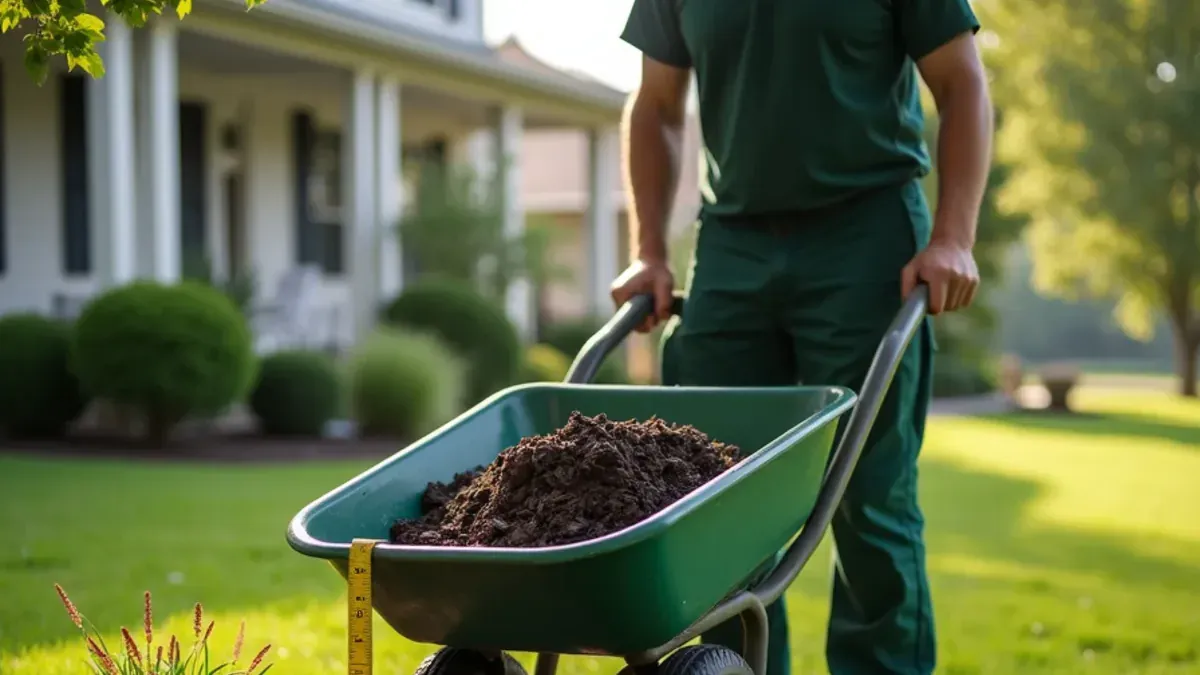
How-To 5 min read
Mulch Installation 101: How Much Mulch Your Indiana Beds Need
A simple cubic-yard formula, a bed-size cheat sheet and the depth rules that keep Indiana shrubs healthy, so you order the right amount of mulch the first time.
4.8★ from 38 Google reviews · Serving Speedway & Indianapolis since 2020
Mon–Fri 7:00 AM – 5:00 PM · Text or call 1-323-606-0255

Beds, shrubs & seasonal color
Landscaping bed maintenance in Speedway, IN from our crew keeps the planted parts of your property in shape: weeds pulled by the root, shrubs trimmed in the right season, a clean spade edge, perennials cut back and mulch kept at a healthy depth. Most homes book a visit every three to four weeks from spring through fall. It is upkeep for beds you already have, not new construction.
Regular landscaping bed maintenance in Speedway, IN is what makes a well-mowed yard look finished. The turf can be perfect, but if the foundation beds are full of creeping Charlie and the yews are swallowing the front windows, that is what people notice from the street.
Our crew handles the planted areas around homes and small commercial sites across Indianapolis: hand weeding, shrub and bush trimming, spade-cut bed edges, mulch, perennial cutbacks and seasonal flowers. Shrub work is a point of pride for us, and one Google reviewer made a point of mentioning how their bushes turned out.
To be clear about scope, this is maintenance, not construction. We don’t build patios, retaining walls, paver walks or drainage systems. We keep existing beds healthy, tidy and looking intentional.
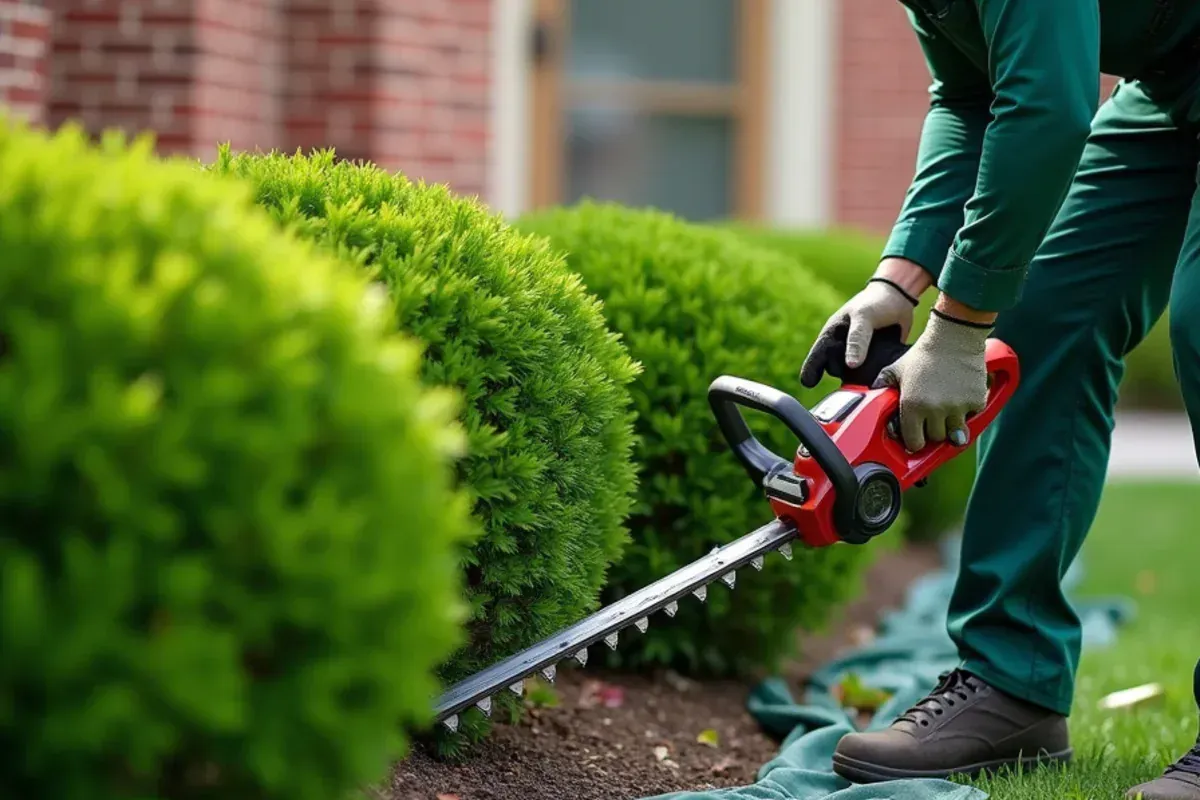
Beds decline gradually, which is why it is easy to miss until the whole front of the house looks tired.
Crabgrass, clover, creeping Charlie and maple seedlings take hold in thin mulch and spread faster than a weekend of pulling can keep up.
Overgrown yews, boxwood and spirea block light, scrape siding and narrow the path to your front door.
Turf creeps into the bed a few inches every year until the original shape disappears.
Volcano-style mulch rings hold moisture against bark and invite rot and rodents at the base of trees and shrubs.
Hostas turn to mush after frost, and by midsummer the spring bloomers are done with nothing planted to take over.
Bed maintenance works as a schedule, not a single visit. Here is what a typical April-to-November plan delivers.
Winter debris out, ornamental grasses and last year’s stems cut down, bed lines re-cut with a spade and mulch leveled or topped up.
In established beds, a pre-emergent labeled for ornamentals can go down in early spring to cut the first flush of weed seedlings.
Visits every three to four weeks catch each wave of weeds while they are small and before they drop seed into the mulch.
The spring spade edge is sharpened again every eight to ten weeks, so the lawn never creeps back into the bed.
Spring bloomers after flowering, evergreens once growth firms up, and hydrangeas and roses late in winter.
Collapsed perennials cut back, leaves pulled from the beds, mulch drawn away from crowns and trunks, and a photo text when the beds are done.
Visits follow the same order every time, because each step sets up the next one.
We pull weeds from the root rather than snapping off tops. Where a persistent perennial weed needs spot treatment, the product is applied according to its label.
A flat spade makes a clean vertical cut a few inches deep between turf and bed, which stops grass from spreading and gives mulch a crisp line to sit against.
Each plant is cut in its proper window and to its natural form. We shape rather than shear everything into boxes and balls.
Hostas, daylilies and peonies are trimmed once they have died back. Ornamental grasses and coneflowers can stand for winter interest and get cut back in early spring.
We top up to about 2–3 inches of total depth and pull mulch back from trunks and stems.
Clippings, weeds and trimmings leave with us, and walks and driveways are cleared before we go.
Send a few photos or call 1-323-606-0255 — we'll look at your property and give you a clear, itemized price.
Timing is the difference between a shrub that flowers and one that just looks tidy. Cut a spring bloomer in late summer and you remove next year’s flower buds. Shear anything hard in September and the tender regrowth may not harden before frost.
| Shrub | Best trimming window | Why |
|---|---|---|
| Forsythia and lilac | Right after spring bloom | Next year’s buds form over summer |
| Boxwood and yew | Late spring to early summer, light touch-up later | Growth has flushed and firmed up |
| Panicle and smooth hydrangea | Late winter to early spring | They bloom on new growth |
| Shrub roses | Early spring as buds swell | Removes winter dieback before new canes grow |
Hardscape construction, retaining walls, patios, grading, irrigation installs and large tree work are outside what we do. If a project needs those, we’ll say so rather than improvise.
Bed work pairs naturally with lawn edging and trimming on mowing visits, and with our spring and fall yard cleanups. We maintain beds in Indianapolis, around newer HOA neighborhoods in Carmel, and on shaded, wooded lots in Zionsville. To plan your own mulch order, our guide on how much mulch your beds need walks through the math.
Bed care is mostly hand labor, so quotes follow the work involved rather than lot size.
Walkthroughs and quotes are free. Call 1-323-606-0255 or text us photos of your beds, and we’ll schedule a time to look at them in person.
Bed work is close, careful hand work around plants people care about. These reviews speak to exactly that.
Michael H. hired us for mowing and bush trimming and wrote that they were “very pleased with how the bushes turned out.” We shape each plant to its natural form instead of shearing everything flat.
Jane T. wrote that Kyle Foster and his crew edged and mulched her flowerbeds and “made sure that everything was just what I wanted.” Kyle runs mulch and edging jobs for us as crew lead.
Matt H. described our mulching and flower bed work as “amazing” and noted we did work he assumed would be extra “for no extra charge.”
Jessica M. said Cameron handles “any special requests I have.” Tell us which plant stays untouched or which bed gets extra attention, and it goes in the notes. Our 48-hour fix-it guarantee covers bed visits too.
Kyle Foster and his crew did an excellent job mowing and trimming the grass and edging and mulching flowerbeds. Kyle responded quickly to my calls and texts and made sure that everything was just what I wanted. The crew was professional and courteous and left everything neat and clean. They even offered to stay for an extra 20 minutes to load my extra mulch into my daughter's truck so she could use it. Will definitely call them again!
We keep bed-care routes close to our Speedway base, including landscape bed maintenance in Ben Davis and shrub trimming in Wayne Township, where many homes have decades-old foundation plantings. Newer subdivisions get the same care through bed maintenance in Avon and flower bed weeding in Plainfield.
Our bed maintenance crews work out of Speedway and cover these nearby communities every week, plus 60+ more central Indiana service areas.
FAQ
Most homes do well with a visit every three to four weeks from April through October, plus a spring and fall reset. Weeds germinate in waves, so a monthly pass pulls them while they’re small and before they set seed. Low-maintenance beds with thick mulch and mature shrubs can stretch to a few visits a season.
Either, depending on the plant and your preference. Formal boxwood hedges can be kept crisp and geometric, while shrubs like spirea and viburnum usually look and flower better with a looser, natural shape. We talk through what you want before the first cut, then keep that style consistent every visit.
Yes. We plant annuals in spring once frost risk has passed and swap in mums or other fall color in September. You can choose the plants and colors or leave it to us. For larger new plantings or full bed redesigns, we’ll talk through what is realistic as maintenance versus a separate landscaping project.
Mostly by hand. Pulling weeds from the root is the most reliable approach in beds full of desirable plants. For stubborn perennial weeds like bindweed or creeping Charlie, we may spot-treat carefully, following the product label and Indiana State Chemist rules, and we’ll let you know beforehand.
In established beds, often yes. A pre-emergent labeled for ornamental plantings, applied in early spring after the cleanup, cuts down the first flush of weed seedlings. We skip it anywhere you plan to sow seed or divide perennials soon. Every application follows the product label and Indiana State Chemist rules, and we tell you before it goes down.
Cut back perennials that turn to mush after frost, like hostas, and pull matted leaves out of the beds. Coneflowers and ornamental grasses can stand until spring. Don’t prune spring-flowering shrubs in fall, keep mulch off plant crowns, and give evergreens a deep watering before the ground freezes if autumn has been dry.
Hardwood mulch delivered and spread at the right 2–3 inch depth, with freshly cut spade edges and tree rings that protect the bark instead of smothering it.
Learn more about Mulch InstallationVertical hard edges on walks and drives, clean bed borders, careful string trimming and a full blow-off that make a tight Speedway lot look finished.
Learn more about Edging & TrimmingA one-day reset for your yard in spring or fall: debris pickup, bed cleanout, edging, perennial cutbacks, first or final cut, and everything hauled away.
Learn more about Yard CleanupsHow-To 5 min read
A simple cubic-yard formula, a bed-size cheat sheet and the depth rules that keep Indiana shrubs healthy, so you order the right amount of mulch the first time.
Checklist 6 min read
A practical spring lawn cleanup checklist for Marion County: when to rake, how to handle winter damage, bed and edge prep, the first mow and crabgrass timing.
Get a free, no-pressure quote from a local crew that takes pride in the details. Call, text, or send the form — we reply the same business day.