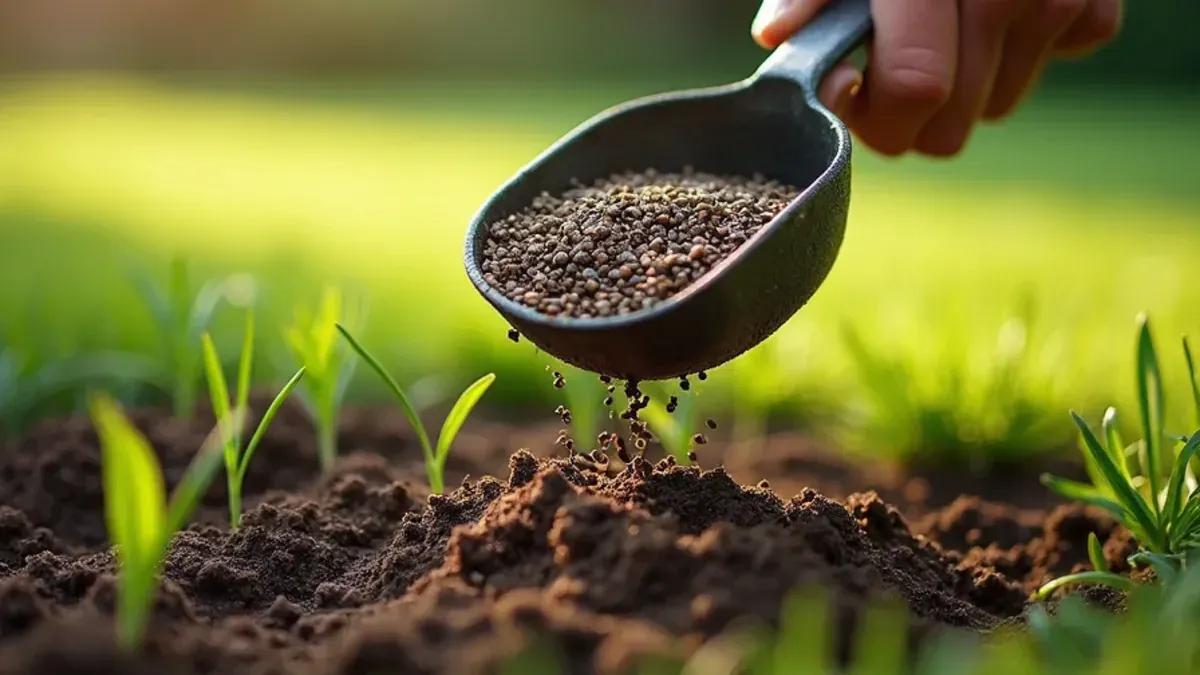
Late-summer core aeration and overseeding that breaks up compacted central Indiana clay, puts seed in direct soil contact and thickens thin turf before winter.
Core aeration and overseeding in Speedway, IN means we pull soil plugs from your compacted clay, drop a seed blend matched to your sun and shade into those openings, and add a starter fertilizer, all in one late-summer visit. We book it inside the August 15 – September 15 window, text you a watering schedule the same day and check germination at a follow-up.
Core aeration and overseeding in Speedway, IN is the most effective single step you can take for a lawn growing on central Indiana clay. Our aerator pulls thousands of soil plugs, opening channels for air, water and roots, and each hole becomes a protected pocket where new seed can germinate. Done in late summer, it turns a thin, tired yard around within one season.
Much of Speedway and the west side of Indianapolis sits on heavy glacial-till clay, and newer subdivisions add builder-grade fill packed down by construction equipment. Rain runs off instead of soaking in, roots stay shallow and the grass thins a little more every summer. Aeration breaks that cycle.
Purdue turfgrass research identifies August 15 through September 15 as the prime seeding window for cool-season lawns. We build our aeration and overseeding schedule around those four weeks, so seed goes down while the soil is warm and nights are starting to cool.
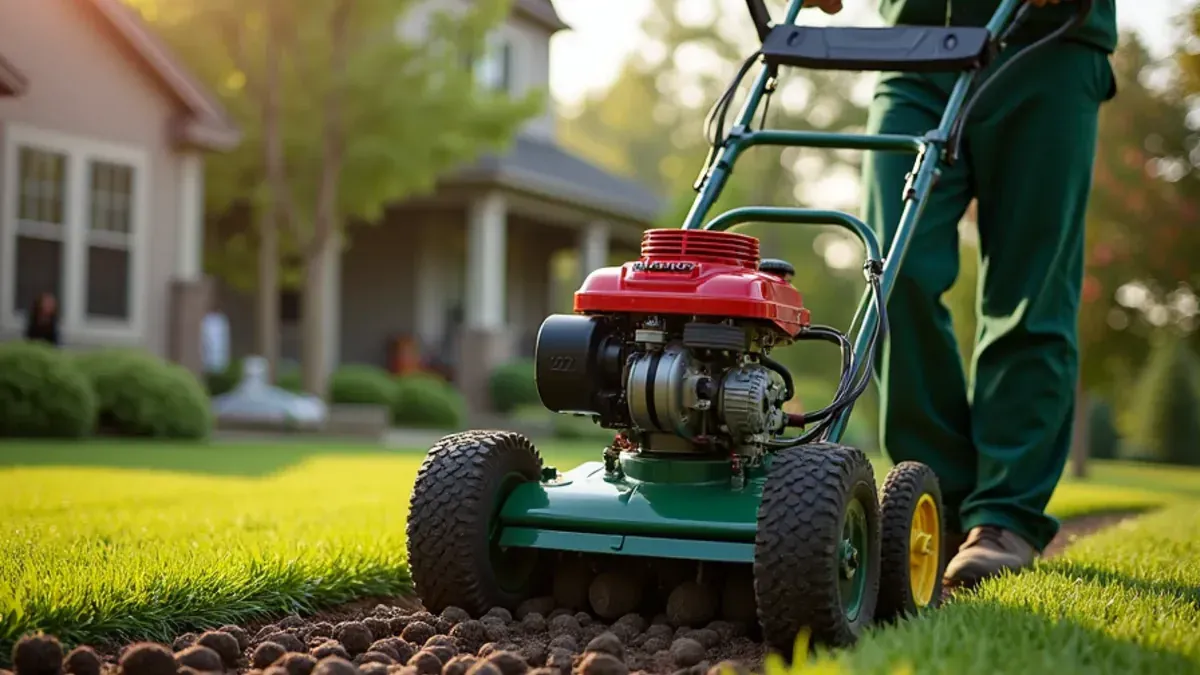
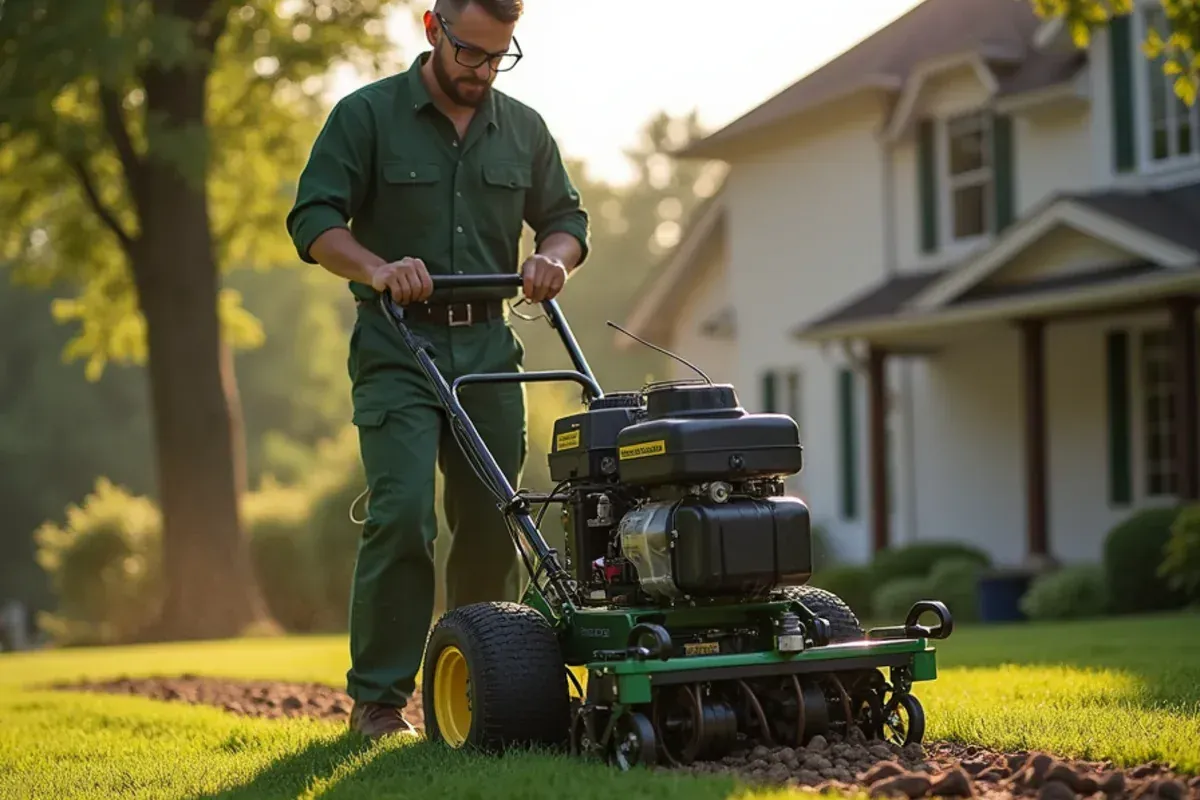
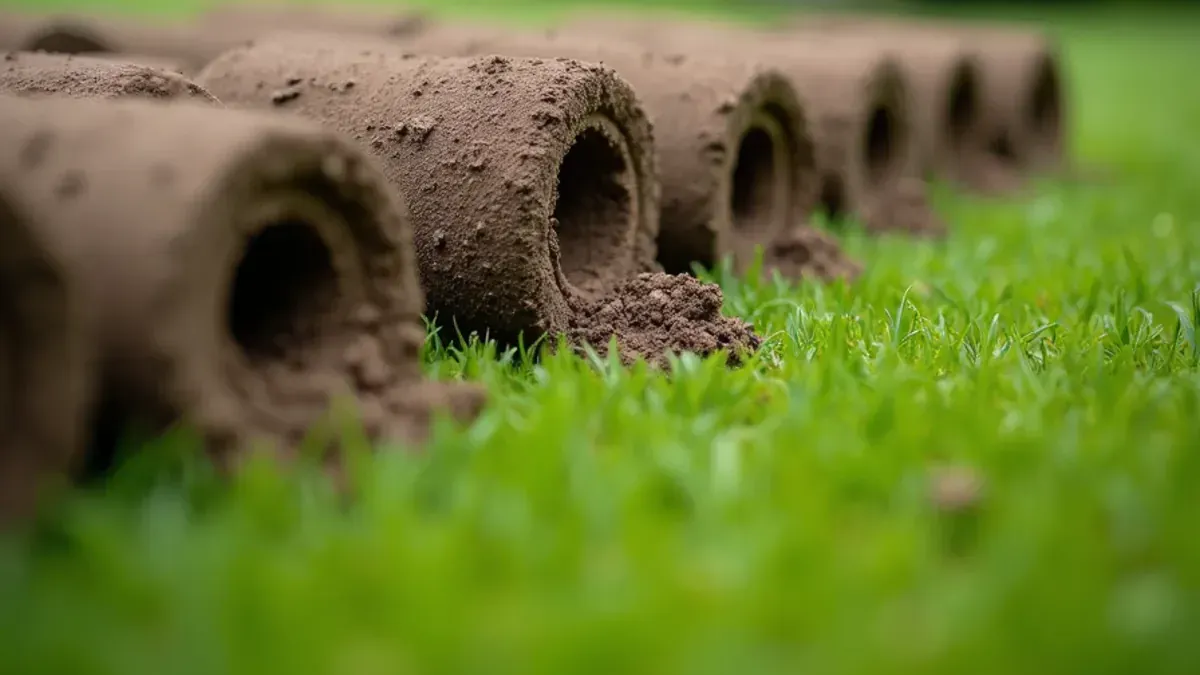
Core aeration on heavy central Indiana clay — the plugs stay on the lawn and break down in a week or two.
Signs your lawn needs aeration
Compaction hides underground, but the surface offers plenty of clues.
Puddles or runoff after a storm
When clay is packed tight, rain sheets toward the street instead of soaking in. Aeration channels let water infiltrate where roots can use it.
A screwdriver won’t sink into moist soil
If a screwdriver fights you after a rain, roots are fighting too. That resistance is textbook compaction.
Thin, patchy turf that never fills in
Grass on hard ground can’t spread rhizomes or tillers. Overseeding into fresh aeration holes restores density.
A spongy thatch layer
More than half an inch of thatch blocks water and nutrients. The soil brought up by core aeration helps break it down.
Early browning in summer heat
Shallow roots in compacted soil dry out first. Aerated lawns root deeper and hold on through dry spells.
Bare lanes from kids, dogs and parked cars
High-traffic strips compact fastest and often show bare dirt by August.
What a fall renovation visit includes
Aeration without seed, or seed without a watering plan, leaves half the job undone. One booking covers each of these.
Marking of buried lines and heads
Sprinkler heads, invisible-fence wire, cable runs and septic lids get flagged before the machine rolls, based on what we find and what you tell us.
Core aeration, doubled where it’s hardest
Hollow tines pull plugs two to three inches deep, with a second crossing pass on the traffic lanes and hardpan spots that need it most.
A seed blend picked for each zone
Tall fescue or a bluegrass blend in full sun, fine fescue under the maples. A single yard often gets two blends.
A seeding rate matched to the damage
Lightly thinned turf gets a touch-up rate. Bare patches get a heavier rate so they fill in before frost rather than next June.
Starter fertilizer
Applied the same day to feed new roots, and counted against your program rounds so the lawn isn’t double-fed.
A watering schedule by text
Day-by-day guidance for the first four weeks, tied to your seeding date and adjusted if a dry spell or heavy rain hits.
A germination check
At the first follow-up we look at how the seed came up and tell you plainly whether a spot needs more seed or more water.
Our aeration and overseeding process
A fall renovation is only as good as its prep and aftercare. Here is what happens from start to finish.
1
Flag sprinklers and hidden lines
We mark irrigation heads, invisible dog fence wire, shallow cable runs and septic lids so the tines stay clear. Please point out anything buried that we can’t see.
2
Mow short and check soil moisture
We mow a notch lower than usual. The soil should be moist but not muddy; if the ground is bone dry, we’ll ask you to water a day or two ahead so the tines penetrate fully.
3
Core aerate in crossing passes
Hollow tines pull plugs roughly two to three inches deep. On compacted areas we make a second pass in a different direction to increase the number of holes.
4
Seed with a blend chosen for the site
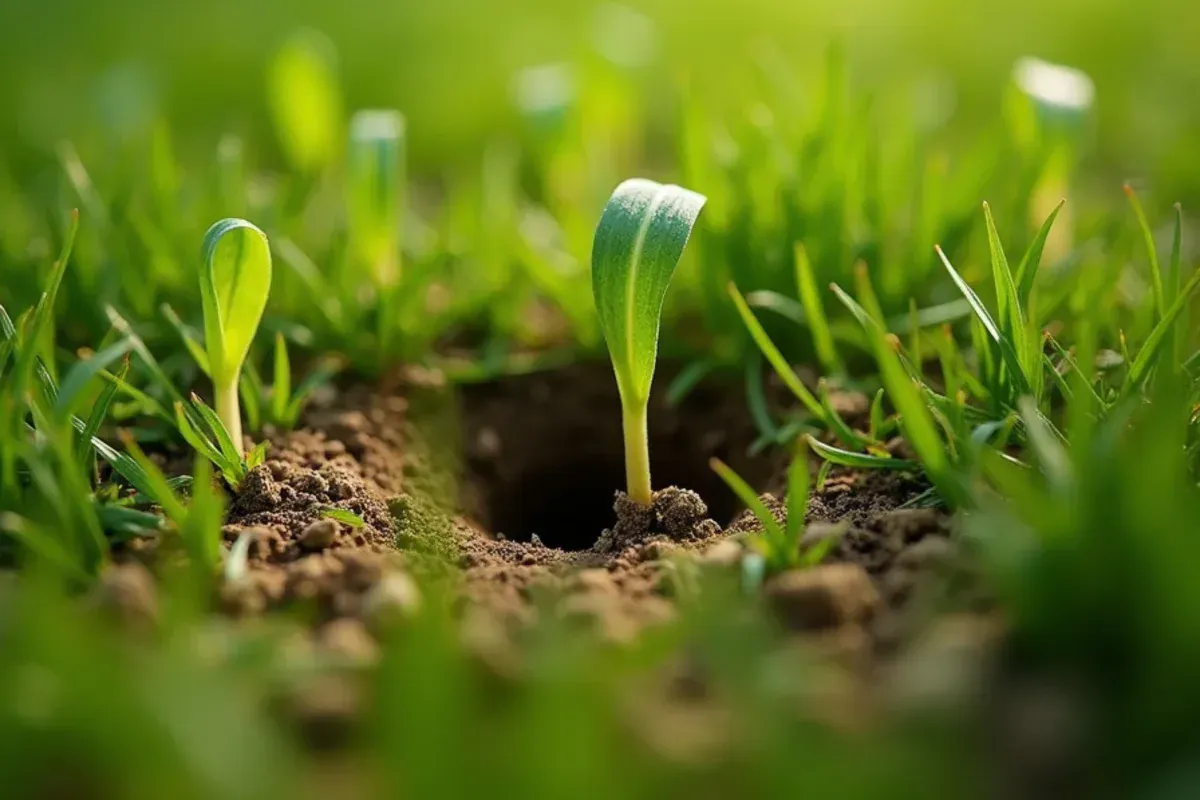
Sunny yards get turf-type tall fescue or a bluegrass blend; shaded areas under mature trees get fine fescue. Seed settles into the open cores, protected from drying wind and birds.
5
Apply starter fertilizer
A starter product supports root development in the new seedlings. We coordinate it with any program rounds so the lawn isn’t overfed.
6
Leave the plugs and send a watering plan
The cores dissolve within a week or two of rain and mowing. You receive a text with a watering schedule tied to your seeding date.
Seed that lands in aeration holes gets the soil contact it needs to establish before winter.
Want a quote for aeration & overseeding?
Send a few photos or call 1-323-606-0255 — we'll look at your property and give you a clear, itemized price.
A soil conditioner is sprayed on to loosen soil gradually
Visible result
Open holes the same day
No holes; changes develop slowly
Seed-to-soil contact
Excellent — seed drops into the cores
Limited; seed sits on the surface
Thatch
Soil cores help break it down
Little direct effect
Best suited to
Heavy clay and fall overseeding
Spots a machine can’t physically reach
For nearly every Speedway lawn we see, core aeration is the right call. Liquid products can help on a steep bank or a tight strip, but they don’t create the openings that make overseeding work. Our explainer on why Indiana clay soil needs core aeration goes deeper into the soil science.
Aeration calendar and aftercare for central Indiana
Timing
Recommendation
Mid-August to mid-September
Prime window to aerate and overseed
Late September–early October
Aeration still helps; later seed has less time to mature before frost
April–May
Aerate only if needed; seeding conflicts with crabgrass pre-emergent
June–July
Avoid — heat and dry soil stress the turf
Spring seeding clashes with the crabgrass barrier used in our lawn weed control service, which is one more reason fall is the season for renovation. Compacted new-build lots in Brownsburg and established estate lawns needing core aeration in Carmel follow the same calendar.
Watering new seed
First two weeks: water lightly once or twice a day to keep the top half inch of soil moist
Weeks three and four: water less often but more deeply as seedlings thicken
After the first mowing: shift to about an inch per week, rain included
What drives aeration and overseeding pricing
Every lawn compacts differently, so we look at a few specific things before putting together a price.
Turf area
Aeration and seed are both measured by square footage, so we measure the lawn rather than estimate the lot.
Degree of compaction
Hard builder-grade clay may need extra passes to get enough holes per square foot.
Seed type and seeding rate
Premium tall fescue and bluegrass blends cost more than basic mixes, and bare lawns need a heavier rate than light touch-ups.
Aeration alone or with seed
Some dense lawns only need the cores; thin lawns benefit from the full combination.
Access for the machine
Narrow side gates, fenced backyards and steep grades can mean a smaller aerator and more time.
Quotes are free. Compaction and turf density vary so much from yard to yard that we look at your lawn first, then give you a firm price. The seeding window is short, so reaching out by early August gives you the most scheduling flexibility.
Why lawns get renovated with us
Fall seeding is a four-week window with no second chances until next year. Our customers pick us because we make that window, and because we’re easy to work with when the weather doesn’t cooperate.
Easy to book, easy to move
Peter Cowden had us aerate and seed his lawn and found the service easy to schedule via text. When he had to reschedule a couple of times, we stayed responsive, which matters when rain keeps shifting the date.
Timing tied to the soil, not the calendar
We won’t punch holes in saturated clay or seed into a heat wave. Visits move when conditions say so, and you get a text explaining why.
Results people notice from the street
Tambree Borom, who uses us for seeding, mowing and weed control, says she thinks she has the best-looking yard on her block because of Cameron’s work.
Straight answers about whether you need it
Not every lawn does. If yours is dense and drains well, we’ll say so and save you the visit.
What Customers Say
Posted on Google
Cameron is very professional and great to work with. He always leaves the lawn well manicured and tidy. Very pleased!
PPam BauteGoogle review
Aeration & Overseeding Across the Indianapolis Area
Compacted soil shows up all over our service area, but new-build subdivisions feel it most. Besides Brownsburg and Carmel, we book fall renovations for lawn aeration in Whitestown, core aeration and seeding in Plainfield and the older clay lots of Wayne Township. Book by early August if you want a date inside the seeding window.
The best window for aerating and overseeding cool-season lawns runs from about August 15 to September 15. Soil is still warm enough for quick germination, nights are cooling and weed competition is fading. Aeration alone can work into October, but new seed needs six to eight weeks of growth before the first hard frost.
Should I rake up the soil plugs?
No, leave them where they fall. The cores break down within a week or two of rain and mowing, and the soil they return mixes into the thatch layer and helps it decompose. Raking them up simply removes material your lawn benefits from.
How often should a clay lawn be aerated?
Most lawns on central Indiana clay benefit from core aeration once a year, in fall. Heavily compacted new-construction lots and high-traffic yards often improve fastest with yearly aeration for two or three seasons before moving to every other year. We’ll tell you honestly if yours can skip a season.
Can I use crabgrass preventer the spring after overseeding?
Usually yes, once the fall seedlings have been mowed several times and are well established. The conflict is with spring seeding: most pre-emergents also stop grass seed from germinating. That’s why we push seeding to late summer and time your spring barrier around any young grass.
Which grass seed do you use?
It depends on the yard. Turf-type tall fescue handles heat and drought well in full sun, Kentucky bluegrass spreads to repair itself, and fine fescues fill in under shade trees. Many lawns get a blend. Our guide to the best grass seed for Indiana lawns covers the trade-offs.
How long until I see new grass after overseeding?
Perennial ryegrass can sprout in about a week, and turf-type tall fescue usually shows in one to two weeks. Kentucky bluegrass is slower, often two to four weeks, so a bluegrass blend can look like nothing happened for a while. Keep the soil surface moist the whole time; letting new seed dry out once is the most common reason a fall renovation fails.
Should I dethatch before aerating and overseeding?
Only if the thatch layer is thick. Under about half an inch, core aeration handles it on its own, because the soil plugs help break thatch down. Heavier, spongy thatch or a lawn that is mostly bare dirt may need a different approach before seeding, and we’ll tell you that after looking at the yard rather than seeding into conditions that won’t take.
Glacial-till clay and builder-grade fill leave central Indiana lawns shallow-rooted and thirsty. Here is how core aeration relieves compaction, when to schedule it, and what it won’t change.
Tall fescue, Kentucky bluegrass, perennial ryegrass or fine fescue? How to match seed to sun, soil and traffic, read a seed tag, and time overseeding in central Indiana.
Book aeration & overseeding with a crew that sweats the details.
Get a free, no-pressure quote from a local crew that takes pride in the details. Call, text, or send the form — we reply the same business day.