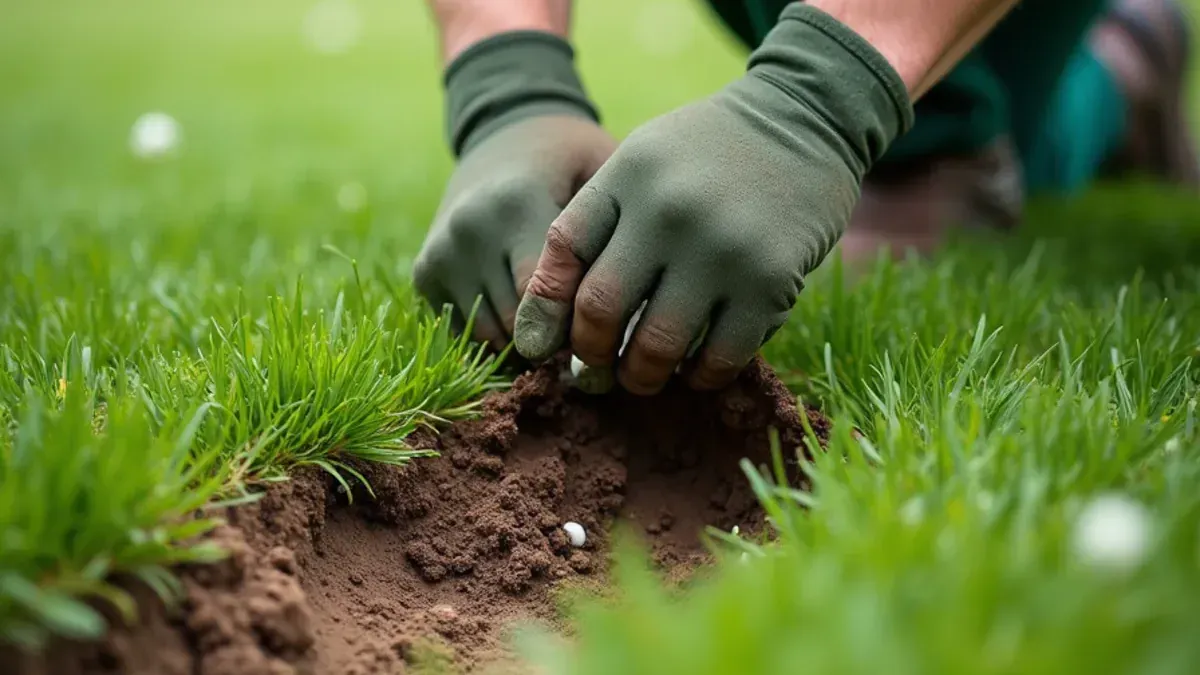
Calendar-driven weed control for Indianapolis lawns: crabgrass pre-emergent in spring, targeted spot treatments in summer and a fall broadleaf round for creeping Charlie and dandelions.
Our weed control service in Speedway, IN stops crabgrass with a spring pre-emergent, spot-treats dandelions, clover and nutsedge as they appear, and finishes with a fall broadleaf round that reaches perennial roots. You get a named list of the weeds in your yard, label-rate applications under Indiana State Chemist rules, and a text with re-entry timing after every visit.
Our weed control service in Speedway, IN runs on a calendar, not a spray tank and a hunch. Crabgrass, dandelions, clover and creeping Charlie each have a window when they’re easy to stop and a much longer stretch when they’re stubborn. Hitting those windows for lawns across Speedway and greater Indianapolis is the entire job.
Most yards we assess share the same cast: crabgrass along the hot edge of the driveway, clover in the thin spots, and ground ivy crawling out of a shaded bed. We prevent what can be prevented in spring, spot-treat what breaks through in summer, and save the heavy broadleaf work for fall, when perennial weeds pull herbicide down into their roots.
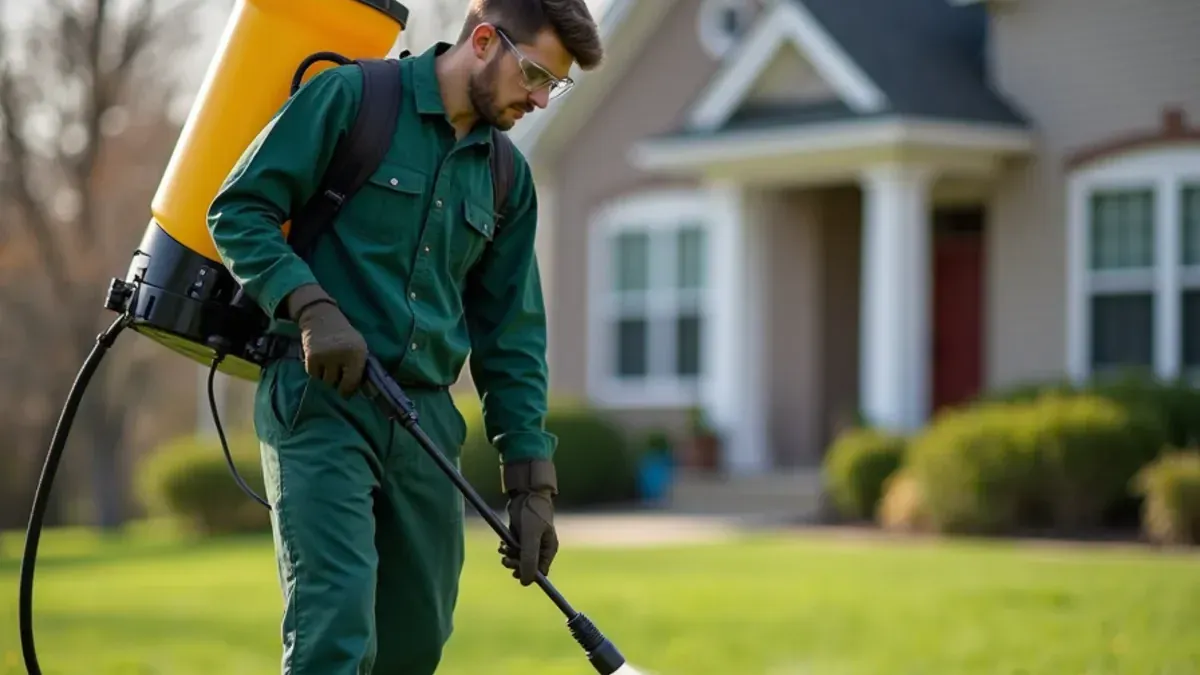
Every product is applied according to its label and Indiana State Chemist (OISC) rules. We skip windy days, hold off ahead of rain, and text re-entry guidance after each visit so you know when the lawn is ready for kids and pets again.
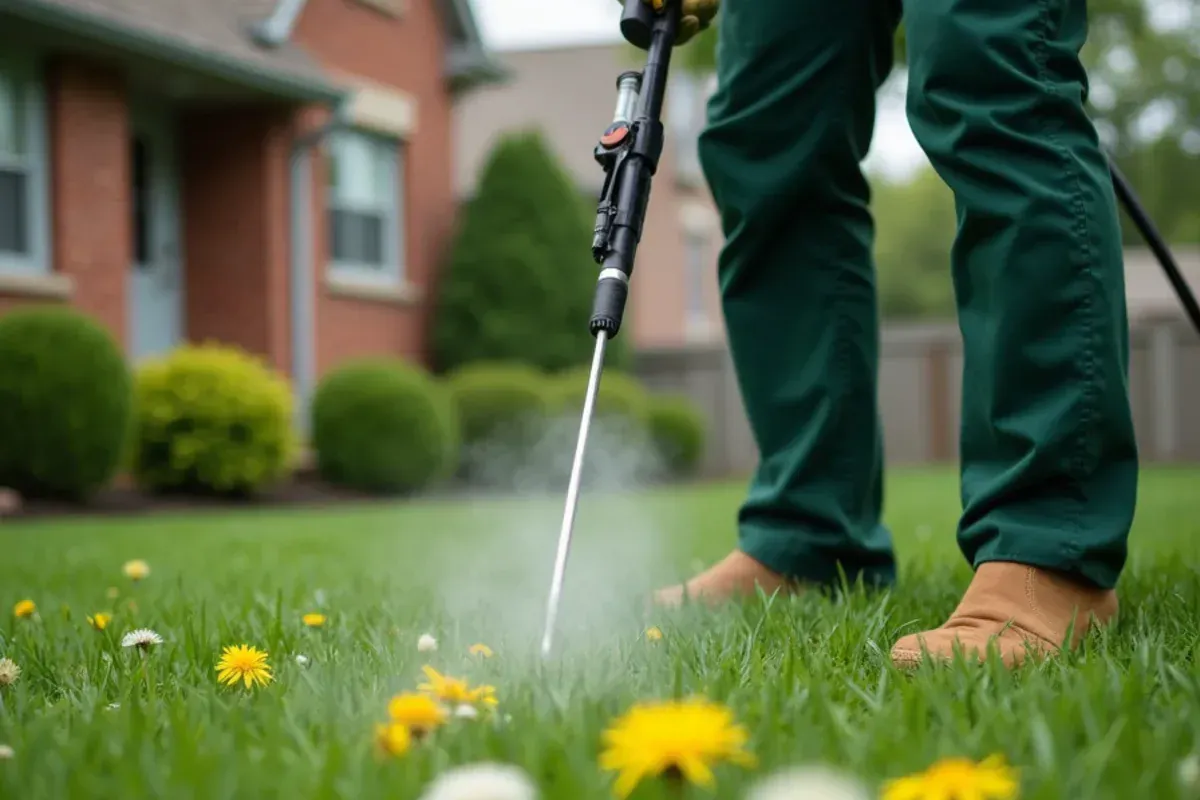
Targeted spot treatments for broadleaf weeds — no blanket spraying when it isn't needed.
Weed problems we treat most often
These are the complaints we hear from Speedway-area homeowners season after season.
Crabgrass along driveways and sidewalks
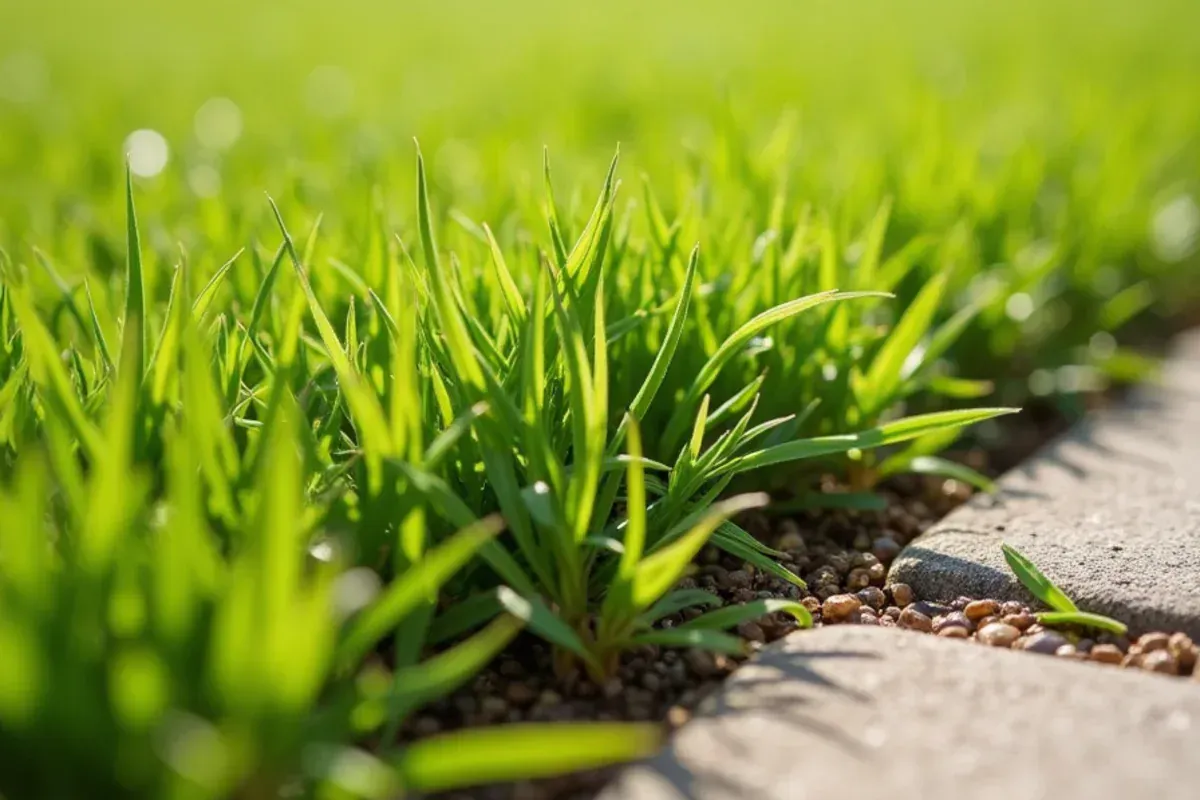
Soil next to concrete warms first, so crabgrass sprouts there early. A late or missed pre-emergent means a summer of wiry clumps that die off and leave bare patches by October.
Dandelions and clover in thin turf
Broadleaf weeds fill the gaps weak grass leaves behind. Spot treatment knocks them down; thicker turf keeps them from coming back.
Creeping Charlie spreading from shade
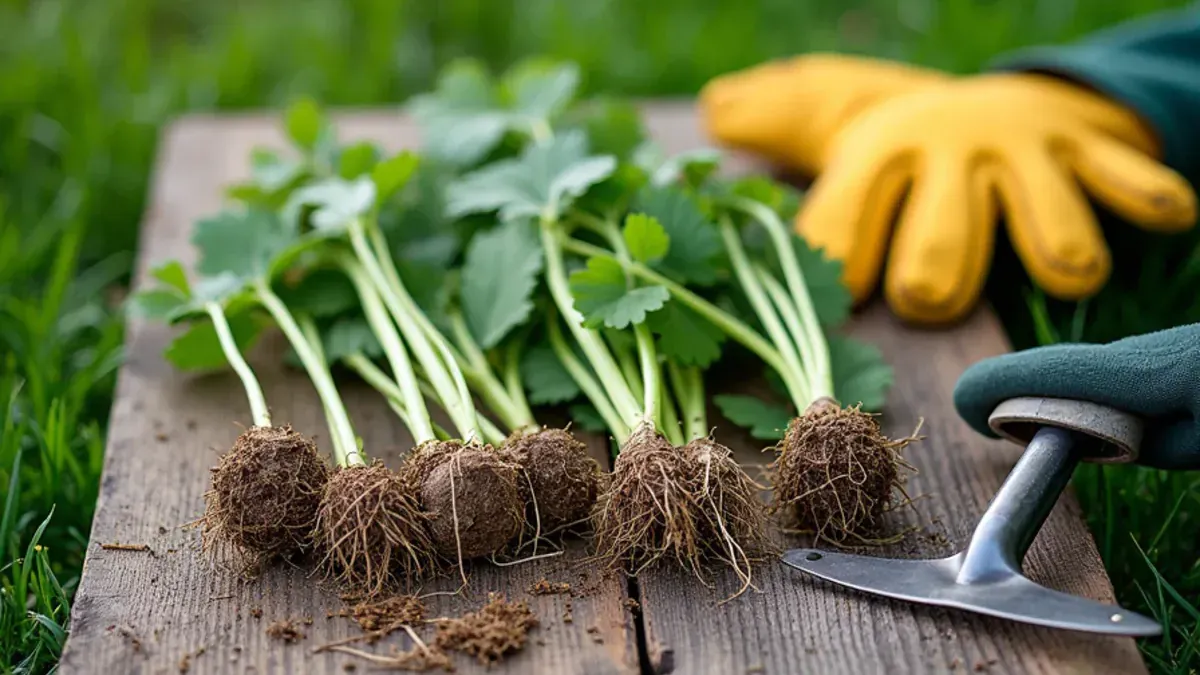
Ground ivy roots at every node along its runners and shrugs off a single spring spray. Getting ahead of it takes repeat fall applications.
Yellow nutsedge in soggy low spots
Those bright, fast-growing blades with triangular stems aren’t grass at all. Nutsedge loves poorly drained clay and needs a sedge-specific product.
Violets and plantain that return every year
Perennial broadleaves regrow from established roots. Fall treatments reach those roots far better than spring sprays do.
Weeds pushing through bed borders and cracks
Weeds along hardscape and mulch lines are often the first thing visitors notice. Our lawn edging and trimming crew keeps those borders tidy between treatments.
What’s included in our weed control service
Weed control only works when the right product meets the right weed at the right stage. Here is what that looks like in practice on your lawn.
A named weed list for your yard
On the first walk we identify what’s actually growing (grassy weeds, broadleaves or sedges) and write it into your notes, because each group needs a different product.
A crabgrass barrier where it starts first
The spring pre-emergent covers the whole lawn, with extra attention to the hot strips along drives, walks and the curb where crabgrass germinates earliest.
Targeted spot spraying
Broadleaf weeds that break through get a liquid spot treatment, so product goes on the weed and not on every square foot of healthy grass.
A sedge-specific treatment where needed
Nutsedge ignores ordinary broadleaf products. If it’s in your wet corners, it gets its own product during its June–July growth window.
A fall broadleaf round with a follow-up option
September and October treatments go after dandelion, violet and ground ivy roots, with a second pass a few weeks later for stubborn creeping Charlie.
Mowing-day coordination
Liquid treatments need time on the leaf, so we schedule around your mow and tell you how long to wait before the next cut.
How we handle weeds through the year
This is the sequence we follow on a typical central Indiana lawn, adjusted for what we actually find growing.
1
Identify what’s growing
We walk the property, name the weeds present and note the shade, drainage and bare soil that invite them. Correct identification matters, because nutsedge, crabgrass and ground ivy each call for a different product.
2
Lay down crabgrass pre-emergent
Applied before soil settles at about 55°F — usually early to mid-April in Indianapolis, right around forsythia bloom — the barrier stops crabgrass seed from establishing.
3
Spot-treat broadleaf weeds in late spring
Dandelions, clover and plantain get targeted liquid applications rather than a blanket spray, so product goes only where it’s needed.
4
Target nutsedge and summer breakthroughs
Nutsedge is treated in June and July while actively growing. Other summer work stays light when temperatures climb, to avoid stressing the turf.
5
Run the fall broadleaf round
In September and October, perennial weeds send energy to their roots, and the herbicide travels with it. Creeping Charlie and violets often need this round twice, a few weeks apart.
6
Text re-entry notes and track results
After every visit you get a message on when people and pets can return, usually once liquids have dried. If something persists, tell us and we adjust the next round.
Crabgrass creeping in along hot pavement — the spot where pre-emergent timing matters most.
Want a quote for weed control?
Send a few photos or call 1-323-606-0255 — we'll look at your property and give you a clear, itemized price.
For a month-by-month version with more detail, see our central Indiana weed control calendar. Grubs follow their own schedule, with prevention in June and July.
Label rules, drift and your family
The product label is the law, and Indiana’s Office of Indiana State Chemist enforces it. We follow application rates, weather limits and re-entry intervals exactly as written.
No spraying in winds that could carry product onto gardens or a neighbor’s yard
Wide buffers around vegetable beds, ponds and water features
Spot treatment over blanket spraying whenever the weed population allows
A text after every visit with plain-language re-entry timing
Weed pressure around the metro
Crabgrass is relentless on the compacted clay lots along West Washington Street, so weed control for Ben Davis lawns leans hard on a well-timed spring barrier. On the south side, the younger subdivision turf we treat for lawn care in Greenwood tends to struggle more with clover and with nutsedge in poorly drained corners.
What goes into weed control pricing
We price weed control around your lawn and the specific weeds in it. Here’s what we consider.
Lawn size
Pre-emergent and fall blanket treatments scale with the treated square footage.
Which weeds are present
Nutsedge and creeping Charlie require specialty products and repeat visits, unlike a scattering of dandelions.
How severe the infestation is
A lawn that is half clover takes more product and time than one with a few isolated weeds.
Standalone or part of a program
Weed control built into our six-round lawn fertilization program is scheduled alongside each feeding, which is usually the most efficient setup.
Turf density
Thin lawns reinfest quickly. If overseeding is the real fix, we’ll say so rather than keep spraying.
Beds, gravel and hardscape joints
Weeds in mulch beds, patio joints or gravel areas are quoted separately from turf treatments.
Lawn assessments and quotes are free. We price after seeing which weeds you have and how far they’ve spread, so you never pay for a program designed for someone else’s yard.
Why homeowners hand their weed problem to us
Weed control customers judge us on one thing: fewer weeds next year than this year. Our reviews show how that plays out on real yards around Speedway.
We turn weed-choked yards around
Elane Johnson wrote that Cameron saved her yard from a weed overtaking and turned it into a clean landscape. Recovery like that takes a spring barrier, fall root work and thicker grass together.
Thorough, detail-minded work
Barbara Dudley, who calls herself very particular, describes us as very thorough and attentive to details. That habit is what catches the clover patch behind the shed before it spreads.
Honest about when spraying isn’t the fix
If thin turf is the real reason weeds keep winning, we’ll recommend fall aeration and overseeding plus steady feeding instead of another round of herbicide you don’t need.
Careful with kids, pets and gardens
Every product follows its label and Indiana State Chemist rules, with buffers around vegetable beds and a same-day text telling you when the lawn is safe to use again.
What Customers Say
Posted on Google
Cameron scheduled my lawn maintenance within a week of my first contacting him (unlike other services, whose people never respond). He saved my yard from a weed overtaking and turned it into a beautiful, clean landscape with the lovely diagonal lines I've always wanted.
When should crabgrass preventer go down in Indianapolis?
Usually early to mid-April, before soil temperatures hold around 55°F. Forsythia blooming is a dependable backyard signal. Going down too early risks the barrier breaking down before late-germinating crabgrass shows up; going down too late misses the first flush entirely. We watch soil temperatures rather than picking a fixed date.
Is weed control safe for my dog and kids?
Applied according to the label and with re-entry directions followed, yes. For liquid treatments that typically means staying off the lawn until it has dried completely. We text you timing after every visit and can plan applications around when your dog is usually outside, so nobody has to guess.
Why do dandelions come back after being sprayed?
A spring spray kills the leaves, but established dandelions have deep taproots, and fresh seed keeps drifting in from nearby yards. Fall treatments reach the roots more effectively, and denser turf from feeding and overseeding leaves fewer openings where blown-in seed can take hold.
Can you get rid of creeping Charlie?
It can be controlled, though rarely in one visit. Ground ivy spreads by runners that root as they go, so we treat in fall when it moves energy downward, often with a second pass a few weeks later. Improving drainage and thinning heavy shade makes a return far less likely.
Should I pull nutsedge by hand?
Better not. Pulling usually leaves the underground tubers behind, and each one can send up new shoots. A sedge-specific herbicide applied during early summer growth works better. Long term, fixing the soggy spot where it thrives — through grading or core aeration for compacted clay — helps most.
How long should I wait to mow after a weed treatment?
Give a liquid broadleaf treatment at least a day, and ideally two, before mowing, so the weed leaves have time to absorb the product. Mowing a day or two before the visit also helps, because more leaf surface means better uptake. Check the specific label, and we’ll include the timing in the text we send after each application.
Can I seed my lawn after a weed treatment?
Yes, but not right away. Many broadleaf products call for waiting around four weeks before seeding, and a crabgrass pre-emergent can block new grass seed for much longer, so the label sets the real interval. If you’re planning fall overseeding, tell us in spring and we’ll choose products and timing that leave the August–September seeding window open.
Our lawn weed control calendar for central Indiana: when crabgrass pre-emergent really needs to go down, why fall beats spring for dandelions, and what to do in summer.
White grubs quietly chew roots under Indiana lawns every late summer. Here is how to confirm them, when preventive and curative products work, and when treatment is not worth it.
Book weed control with a crew that sweats the details.
Get a free, no-pressure quote from a local crew that takes pride in the details. Call, text, or send the form — we reply the same business day.