Checklist
Spring Lawn Cleanup Checklist for Marion County Homeowners
By Speedway Lawn Maintenance, LLC 6 min read
The short answer
A spring lawn cleanup checklist for Marion County runs in four passes: walk the yard in early March, clear debris once your shoe no longer sinks into the soil, cut back beds and re-edge, then time crabgrass pre-emergent to forsythia bloom and set the first mow at about 3 inches.
A good spring lawn cleanup checklist is mostly about order and timing. In Marion County, the snow is usually gone by March, but the ground stays cold and soggy for weeks, and the heavy clay under most Indianapolis yards punishes anyone who rushes out with a rake or a mower too early. Do the right jobs in the right sequence and the lawn greens up evenly. Do them out of order and you spend June fighting ruts, bare spots and crabgrass.
Below is the same sequence our crew follows on spring visits, broken into four passes: a walk-through, debris removal, beds and edges, and the first real lawn work. Each step includes the cue that tells you it is time, because the calendar alone is a poor guide in a state where March can bring 70°F one week and sleet the next.
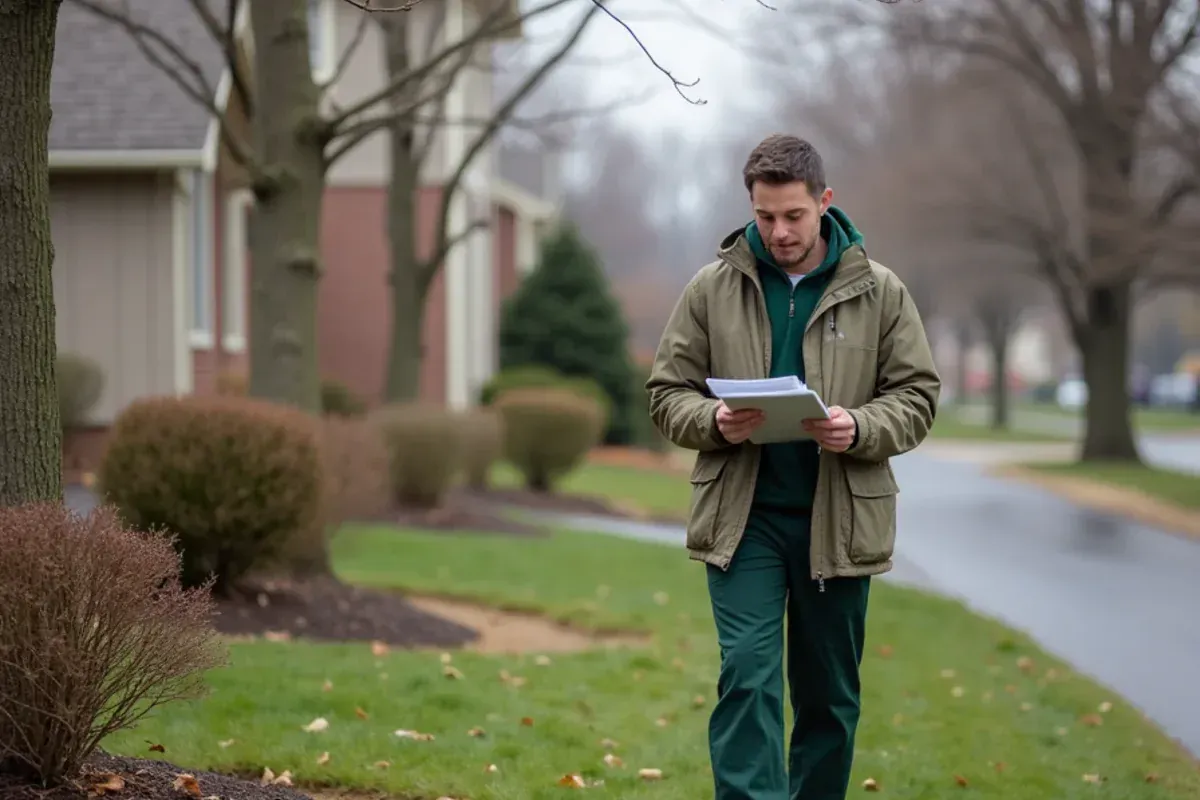
Pass 1: The Late-Winter Walk-Through
Before anyone picks up a tool, walk the whole property with a notepad. You are building a list of problems, not fixing them yet. Early March works well because damage is easy to spot against dormant turf.
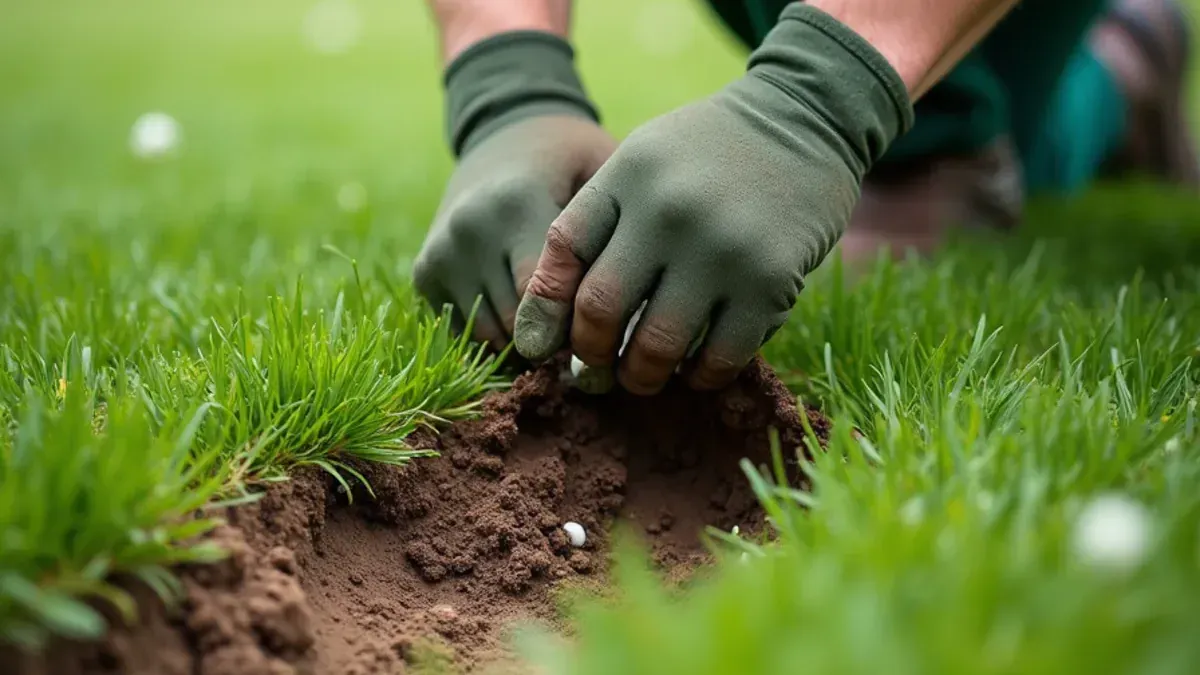
- Soil firmness. Step off the sidewalk onto the turf. If your shoe sinks or leaves a wet print, stay off the lawn for another week or two. Working saturated clay compacts it for the whole season.
- Matted, crusty patches. Gray or pinkish circles where snow sat longest are usually snow mold. Most recover once they are fluffed up and dried out.
- Winding surface trails. Narrow grooves of dead grass mean voles tunneled under the snow. They look awful but usually fill in with light raking and a little seed.
- Salt burn. Brown strips along driveways and sidewalks where de-icer piled up. Note them for flushing and possible reseeding.
Pass 2: Clearing Debris Without Damaging Wet Turf
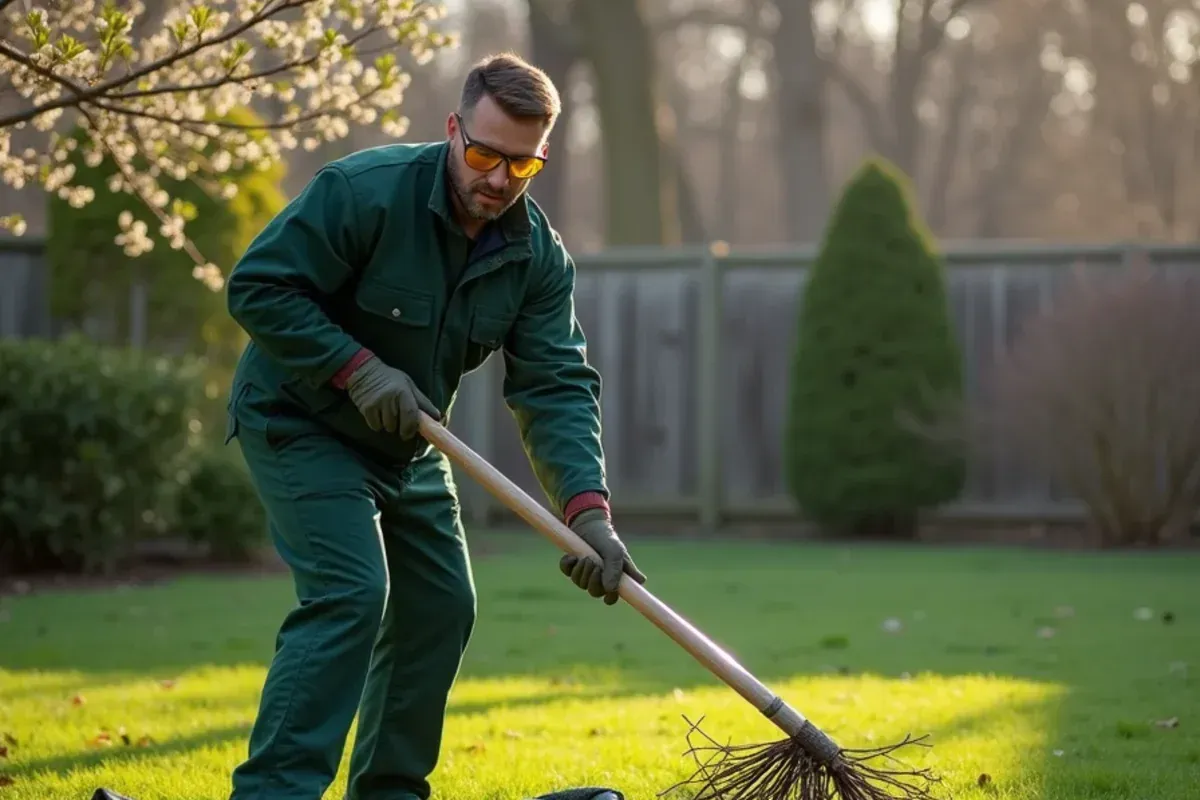
Once the soil passes the footprint test, start clearing. Leftover leaves and litter smother new growth. In older neighborhoods with mature oaks and maples, like many of the park-adjacent streets we see in Lawrence lawn care visits, there is often a second layer of leaves that blew in over winter.
- Pick up sticks and limbs by hand first so they do not get caught in rakes or mowers.
- Use a flexible leaf rake or a light spring-tine rake, not a heavy thatch rake. You want to lift matted grass, not tear out crowns.
- Flush salt-damaged strips along drives and walks with a thorough soaking once temperatures stay above freezing.
- Rake vole trails and snow mold patches lightly so air and sun reach the crowns.
Skip aggressive power dethatching in spring. It rips up turf just as crabgrass is about to germinate, and Purdue Turfgrass points to late summer and early fall as the better window for that kind of renovation on cool-season lawns.
Pass 3: Beds, Edges and Shrubs
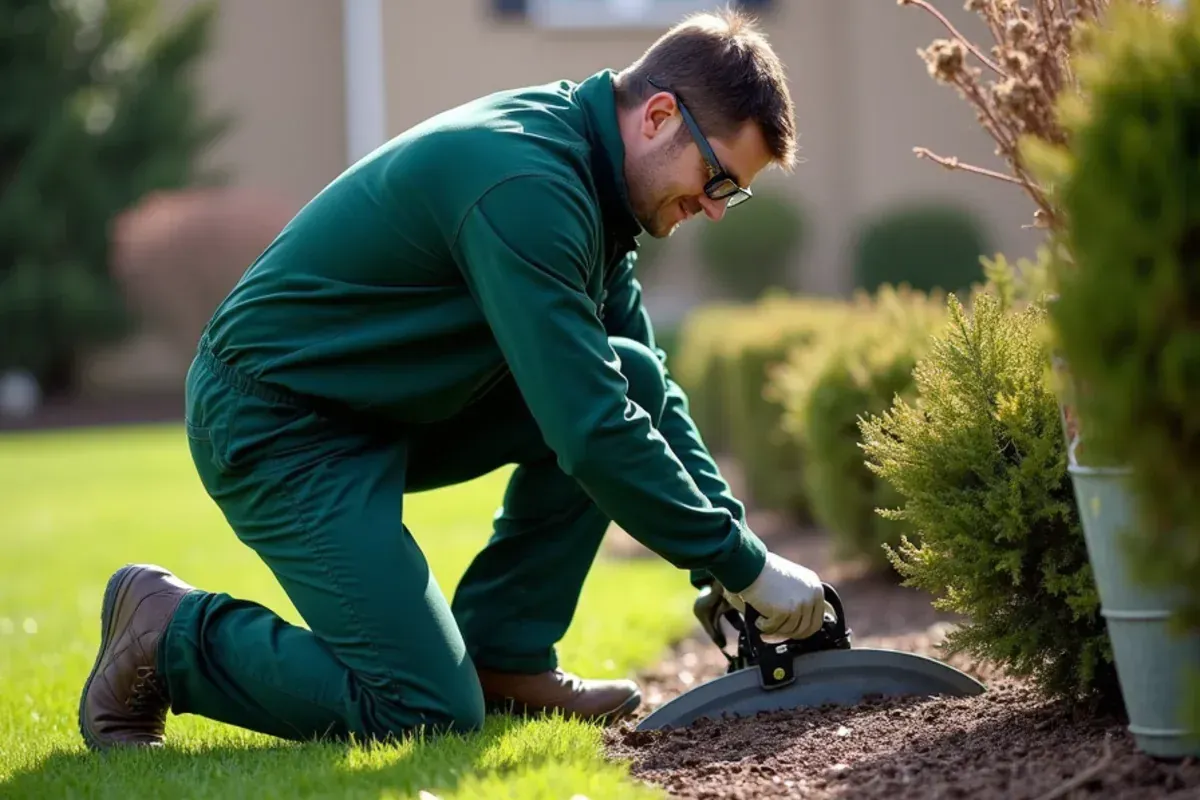
While the lawn wakes up, turn to edges and planting beds. The work is easier before perennials leaf out.
- Cut back ornamental grasses and last year's perennial stems to a few inches above the crown.
- Re-cut bed edges with a flat spade or edger so mulch stays in and turf stays out.
- Prune summer-flowering shrubs and remove winter-broken branches. Hold off on spring bloomers like forsythia and lilac until after they flower.
- Top off mulch to roughly 2–3 inches total depth once the soil has warmed a bit, keeping it off stems and trunks.
If the list is getting long, this is the stage where most homeowners hand it off. Our spring yard cleanup service covers the debris haul, bed edging and shrub trimming in one visit, so the lawn work can start on schedule.
Pass 4: First Mow, Pre-Emergent and Feeding
The final pass is the lawn itself. These tasks follow soil temperature and growth, not a fixed date, so use the cues below.
| Task | Typical Marion County timing | The cue to watch |
|---|---|---|
| Sharpen mower blade, change oil | Early–mid March | Before the first cut, not after |
| Crabgrass pre-emergent | Early–mid April | Forsythia in bloom; soil nearing 55°F |
| First mow | Early–mid April | Grass reaches about 3.5–4 inches |
| Light spring feeding | Late April–May | Lawn is actively growing and has been mowed twice |
| Spot-seed small bare areas | April, if no standard pre-emergent was used | Soil is workable and above about 50°F |
Pre-emergent and seed do not mix
Most crabgrass pre-emergents stop grass seed from establishing too. If you have bare spots to fix in spring, choose a seed-safe product labeled for new seedings, or patch those areas and hold the pre-emergent there. Big repairs belong in the Aug 15 – Sep 15 seeding window anyway.
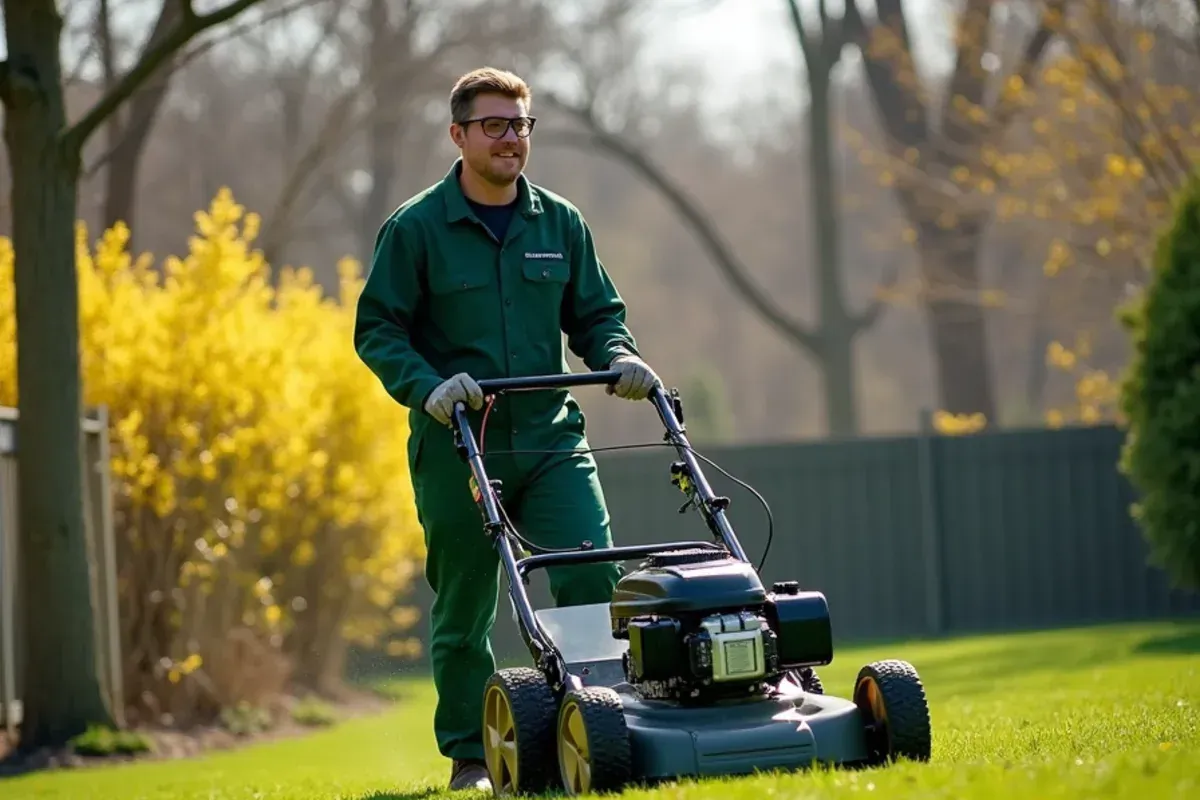
For the first cut, set the deck around 3 inches and remove no more than a third of the blade. A crisp first mow with a sharp blade sets the tone for the season, which is why many customers move straight into weekly lawn mowing once cleanup is done. If crabgrass or dandelions were a problem last year, line up professional weed control before mid-April so the pre-emergent lands on time.
Common Spring Mistakes We See Across Marion County
- Raking or mowing soggy clay in March and leaving ruts that last until fall.
- Heavy fast-release fertilizer in March, which pushes top growth at the expense of roots.
- Applying pre-emergent after crabgrass has already sprouted in late April or May.
The pattern behind nearly all of these is impatience. Across Marion County, the post-war lots and compacted builder fill hold water long after the surface looks dry, so giving the soil an extra week almost always pays off.
From our crew's experience
How Our Crew Runs a Spring Cleanup Visit
We work from the top down: limbs and debris first, then shrubs and beds, then edges, and the lawn last, so nothing we rake or blow lands on finished turf. If the yard fails the footprint test, we do the beds and hardscape that day and come back for the turf a week later rather than rut wet clay.
The judgment call we make most is fix now or wait. Snow mold and vole trails usually recover with a light fluff, so we rarely seed in spring. Seed sown in April fights crabgrass and July heat, and it rules out pre-emergent on that patch, so we flag those spots for late August.
The costly mistake we see is a raked pile left sitting on the lawn for a week, which yellows the grass underneath. DIY is fine for a small lot with a few beds. Call when storm limbs, a season of leaves under shrubs and overdue bed edges all land in the same week.
FAQ
Common Questions
When should I start spring cleanup in Indianapolis?
Start the walk-through in early March, but wait to rake or work the turf until the soil is firm enough that your shoe does not sink. For most Marion County yards that lands between mid-March and early April, depending on rainfall. Bed work and shrub pruning can begin a little earlier because you are mostly standing on mulch and hardscape.
Is it too late for crabgrass pre-emergent if it is already May?
Often it is. Crabgrass in central Indiana typically starts germinating in mid to late April once soil holds near 55°F. A pre-emergent applied after that point will not kill seedlings already up. Some dithiopyr-based products have limited early post-emergent activity on very young crabgrass, but after that you are looking at spot treatments and thicker turf.
What does a professional spring yard cleanup include?
Ours covers sticks, limbs and leftover leaves, cutting back perennials and ornamental grasses, re-cutting bed edges, trimming shrubs and hauling the debris away. Mulch, the first mow and crabgrass pre-emergent can be added to the same visit or scheduled right after, depending on how firm the soil is.
The Bottom Line
Spring cleanup is not complicated, but it is sequential. Walk the property first, clear debris once the soil firms up, tidy beds and edges while you wait, then time the first mow and pre-emergent to soil temperature rather than the calendar. Get that order right and the rest of the season gets a lot easier.
If you would rather have the whole checklist handled in one visit, Speedway Lawn Maintenance runs spring cleanups across Marion County and the west side of Indianapolis. Text or call 1-323-606-0255 and Cameron will set up a time to look at your yard.