How-To
Kentucky Bluegrass vs. Tall Fescue: Which Grass Wins in Indiana?
By Speedway Lawn Maintenance, LLC 5 min read
The short answer
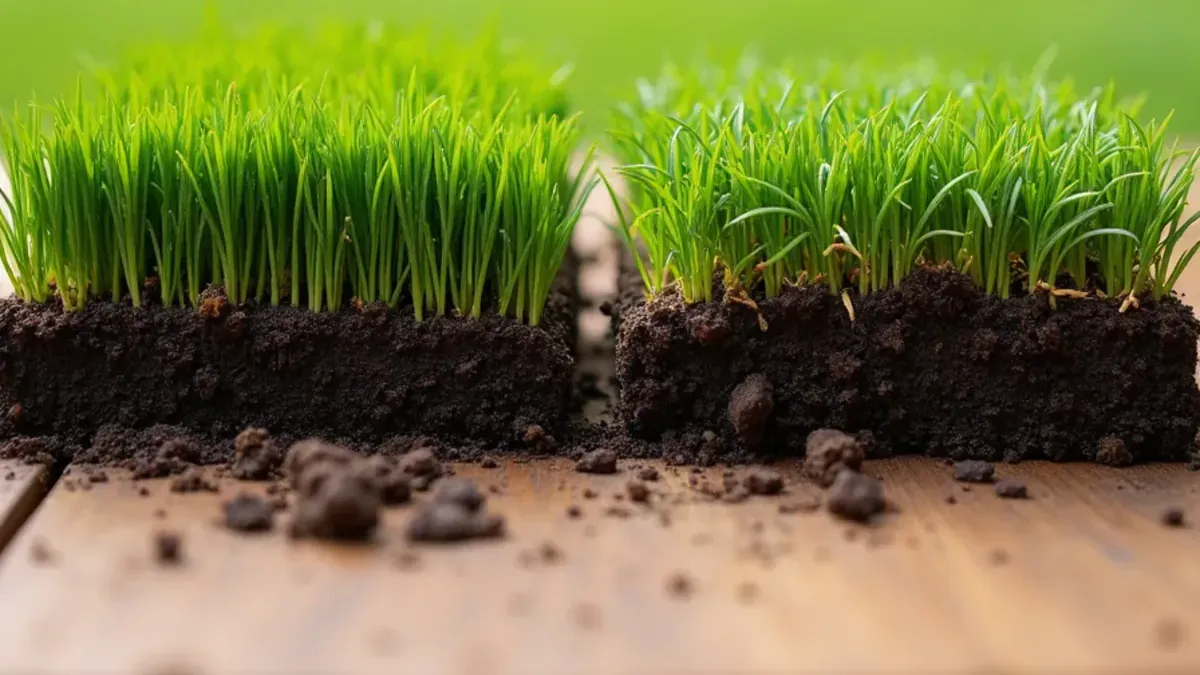
For most central Indiana lawns, neither grass wins alone. Turf-type tall fescue handles drought, shade and clay better and needs less fertilizer, while Kentucky bluegrass spreads to repair its own bare spots and gives the finer finish. A blend of about 90% tall fescue and 10% bluegrass, seeded August 15 to September 15, suits most yards.
Kentucky bluegrass vs. fescue is the most common grass debate in Indiana, and both sides have a point. These are the two workhorse cool-season grasses of the central part of the state, and most lawns between Lafayette and Greenfield contain at least one of them. Which one wins depends on sun, soil, traffic and how much watering and feeding you are willing to do.
Below is a straight comparison based on how each grass actually performs on central Indiana clay, followed by the question we get asked most: which should you seed this fall?
The Short Answer, Side by Side
In the table, “tall fescue” means modern turf-type tall fescue, not the coarse pasture fescue (K-31) that forms clumps in older yards.
| Trait | Kentucky bluegrass | Turf-type tall fescue |
|---|---|---|
| Growth habit | Spreads by rhizomes; fills its own gaps | Mostly bunch-type; gaps need reseeding |
| Drought | Goes dormant, recovers well | Deep roots; stays green longer |
| Shade | Poor; thins under trees | Moderate; better than bluegrass |
| Wear recovery | Excellent | Tough, but slow to repair |
| Germination | 14–30 days | 7–14 days |
| Yearly nitrogen | About 3–4 lb per 1,000 sq ft | About 2–3 lb per 1,000 sq ft |
| Mowing height | 3–3.5 in | 3.5–4 in |
| Thatch | Builds thatch over time | Very little |
| Look | Fine texture, dark blue-green | Medium texture, deep green |
Where Kentucky Bluegrass Shines
Bluegrass is the grass most people picture when they think of an Indiana lawn. Its underground rhizomes knit a dense, carpet-like sod that repairs itself when kids, dogs or a snowplow tear it up. That self-repair is its biggest advantage.
- Full sun, good irrigation: bluegrass stays thick and dark with regular water and feeding.
- High-traffic sunny yards: play areas and dog runs fill back in without reseeding.
- A striped, manicured finish: fine blades lay down cleanly and show mow patterns well.
The trade-offs are real, though. Bluegrass has a shallower root system, goes dormant quickly in a dry July, needs more fertilizer, and struggles under shade. It is also slow to establish from seed, so fall seedings need patience and consistent moisture.
Where Tall Fescue Pulls Ahead
Turf-type tall fescue has changed a lot in the past few decades. Modern varieties are finer-bladed and darker than old pasture fescue, and they bring a root system that can reach well below bluegrass roots in loosened soil.
- Drought and heat: fescue stays green longer between rains, a big plus in central Indiana summers.
- Partial shade: it handles filtered light from trees far better than bluegrass. In deep shade, blend in fine fescue.
- Lower inputs: less nitrogen, less water, little thatch.
- Fast establishment: germinates in about a week under good conditions.
Its weaknesses: fescue does not spread much, so bare spots stay bare until you reseed. It is also prone to brown patch disease in hot, humid stretches, especially with evening watering or heavy summer nitrogen.
Why Most Indiana Lawns End Up with a Blend
For most central Indiana yards, we do not pick a winner; we combine them. A seed mix of about 90% turf-type tall fescue and 10% Kentucky bluegrass by weight gives you fescue’s drought and shade tolerance, while bluegrass rhizomes creep into thin spots and help the lawn repair itself. Because fescue seed is so much larger, that 10% still adds up to a lot of bluegrass plants.
Matching grass to your yard
- Sunny, irrigated, heavy play: bluegrass-dominant blend, possibly with some perennial ryegrass for quick cover.
- Mixed sun, no irrigation: tall fescue/bluegrass blend.
- Shade under mature trees: tall fescue with fine fescue; expect to overseed every year or two.
- Wooded, heavy shade: fine fescue blend, higher mowing and realistic expectations.
Heavily wooded properties, like many of the estate lots where we provide lawn care in Zionsville, are the classic case for a fescue-heavy mix. Bluegrass seeded under that canopy usually thins out within a season or two.
Seeding, Mowing and Feeding Each Grass
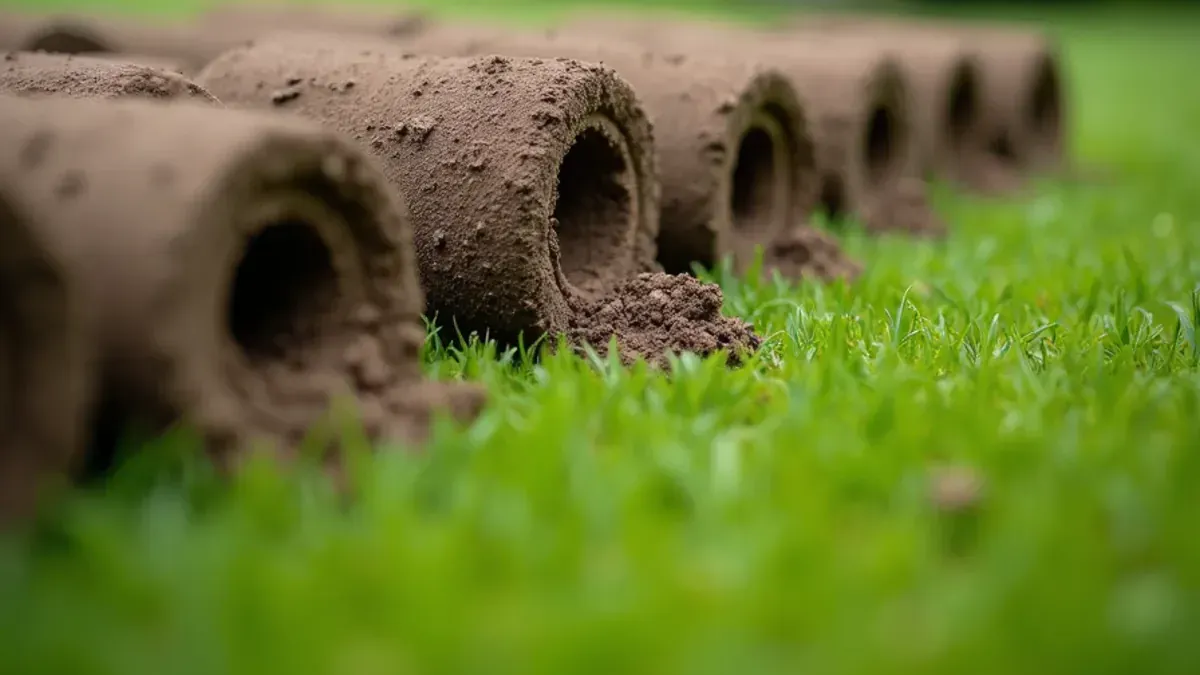
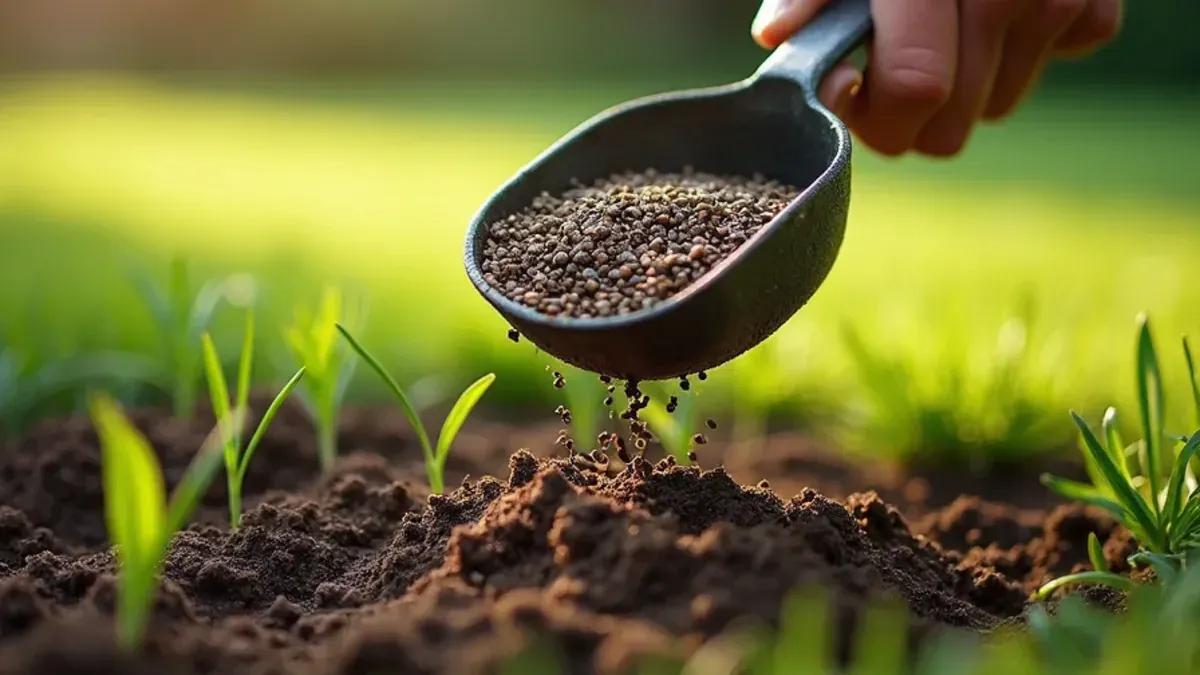
Whichever grass you choose, the calendar is the same. Purdue’s primary seeding window for central Indiana is August 15 to September 15, and pairing seed with core aeration and overseeding gives seed the soil contact it needs on clay. Tall fescue blends go down at roughly 6–8 lb per 1,000 sq ft for a new lawn; bluegrass alone needs only 1–2 lb because its seed is tiny.
A lawn fertilization program should follow the grass, too. Bluegrass lawns want most of their nitrogen split between early fall and late fall, with a light spring feeding. Fescue needs less overall, and skipping summer nitrogen goes a long way toward keeping brown patch in check.
From our crew's experience
How We Pick Seed for a Real Indiana Yard
We start by finding out what is already growing. Pull a few blades and look at the tips: bluegrass has a boat-shaped tip and a faint double line down the middle, while tall fescue has a ridged upper surface and coarser feel. Many older west-side Indianapolis lawns turn out to be a patchwork of bluegrass, ryegrass and a few K-31 clumps, and the new seed should fit that mix rather than fight it.
The deciding question is usually water. Bluegrass needs about an inch a week to stay green through July. If a homeowner will not run a sprinkler, a fescue-heavy blend is the honest recommendation, even when they love the look of bluegrass.
The mistakes we see most are cheap bags heavy on annual ryegrass or old pasture fescue, bluegrass seeded under dense maple shade, spring seeding that loses to crabgrass and July heat, and seed scattered on hard clay without aeration. Read the seed tag before you buy: look for named turf-type varieties, high germination and no noxious weed seed.
Patching a few thin spots with a good blend is a fine weekend job. Call us when the whole lawn is thin or compacted and needs aeration and seed inside the late-summer window.
FAQ
Common Questions
Can I overseed tall fescue into an existing bluegrass lawn?
Yes, and it is a common way to make a bluegrass lawn more drought and shade tolerant. Core aerate first, then seed a turf-type tall fescue blend between mid-August and mid-September. The lawn will gradually shift toward fescue in thinner areas while bluegrass holds the sunny, established spots.
Is tall fescue the same as the clumpy grass in my yard?
Probably not. Those coarse, wide-bladed clumps are usually old pasture-type fescue such as K-31. Modern turf-type tall fescue is finer and darker and blends in with bluegrass. Removing coarse clumps and reseeding with a turf-type blend is a common fall project.
Which grass is best for a new lawn on Indiana clay?
For most unirrigated central Indiana lawns on clay, a turf-type tall fescue blend with about 10% Kentucky bluegrass is the most forgiving choice. Its deeper roots handle compacted soil and summer drought better, while the bluegrass helps fill gaps. Sunny, irrigated yards can lean more toward bluegrass.
How can I tell if my lawn is bluegrass or fescue?
Check the leaf tip and the growth habit. Kentucky bluegrass has a boat-shaped tip and spreads with underground rhizomes, so it forms a continuous sod. Tall fescue has wider, ridged blades and grows in bunches. Most central Indiana lawns are a mix, which is normal and not a problem.
The Bottom Line
In the Kentucky bluegrass vs. fescue matchup, bluegrass wins on self-repair and finish, and tall fescue wins on drought, shade and low inputs. For most central Indiana yards, the real winner is a fescue-dominant blend with a share of bluegrass, seeded in late summer and mowed tall.
If you are planning a fall overseeding and want help choosing the right mix for your sun and soil, Speedway Lawn Maintenance is glad to take a look. Text or call 1-323-606-0255 to get on the seeding schedule.